Home » Fire Pump Set » Analysis and introduction of product characteristics and main operating procedures of diesel engine fire pump sets

Analysis and introduction of product characteristics and main operating procedures of diesel engine fire pump sets

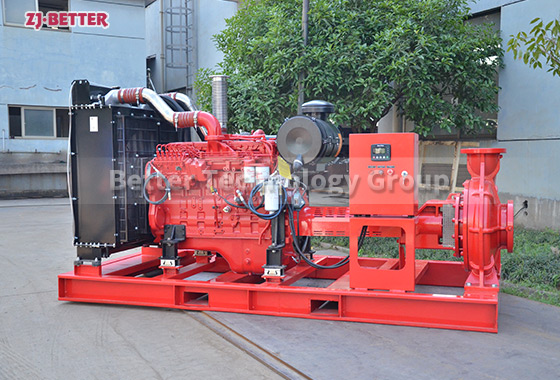
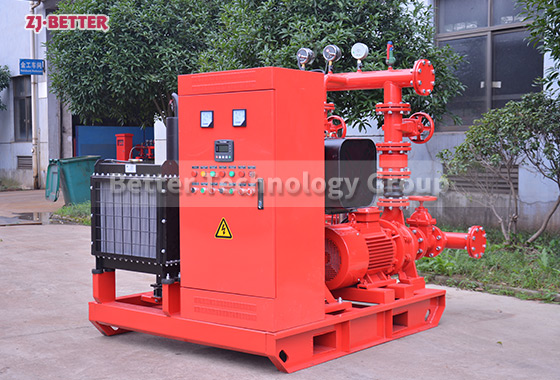
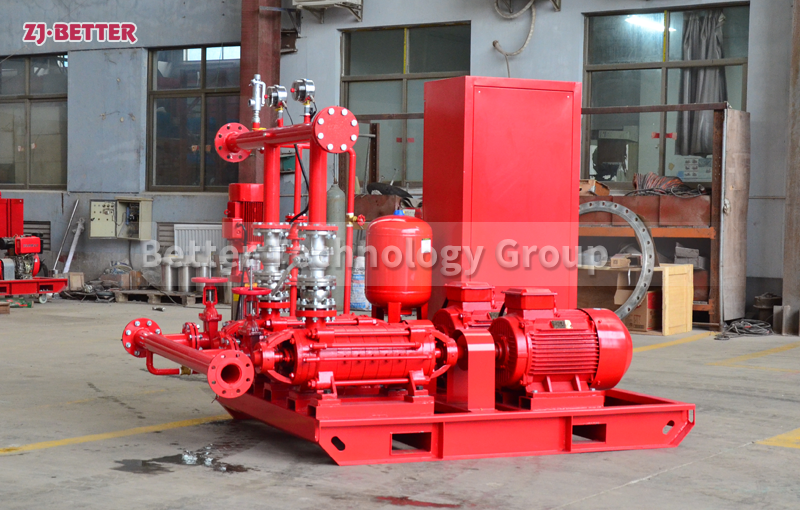
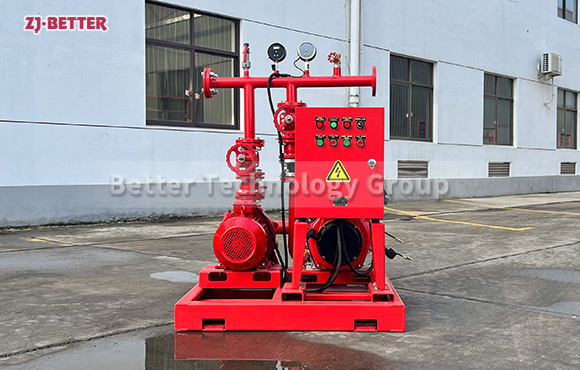
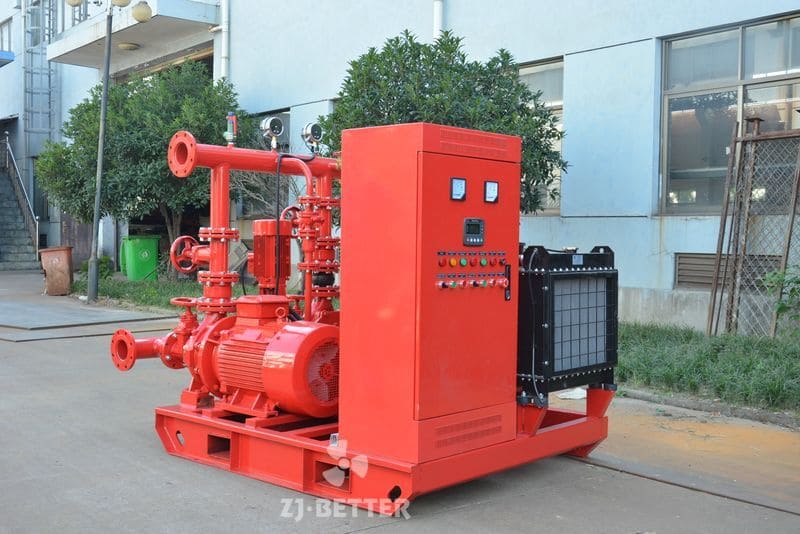
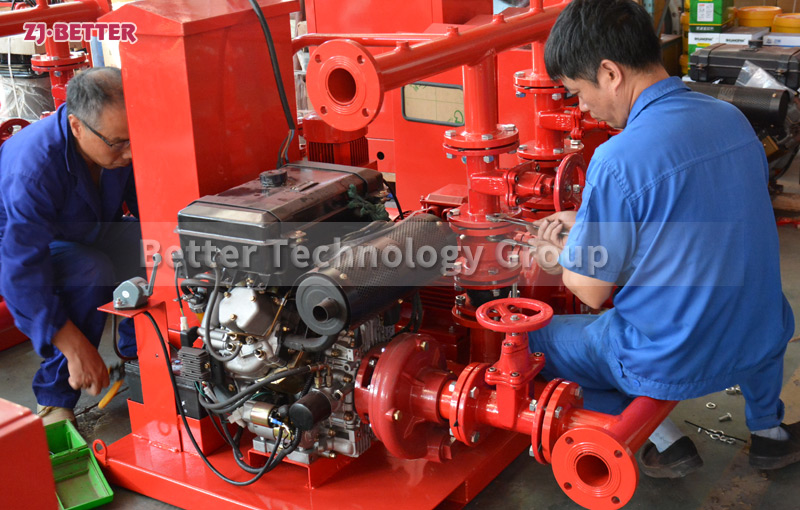
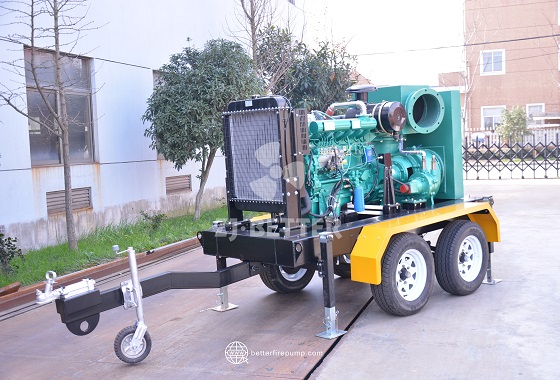
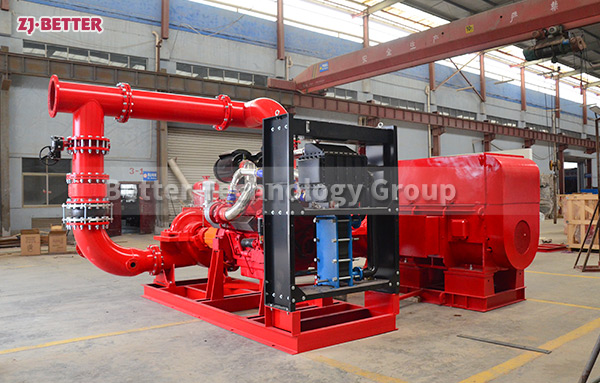
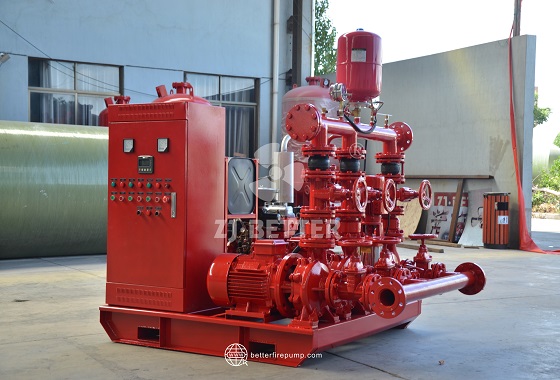
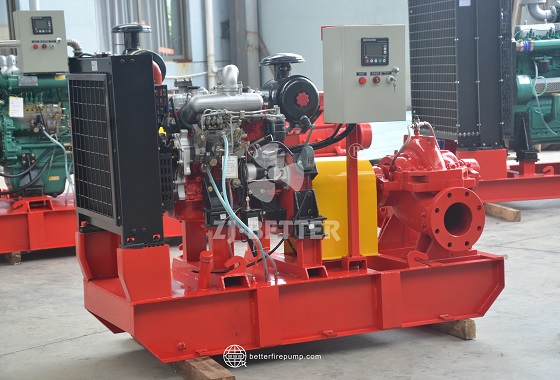
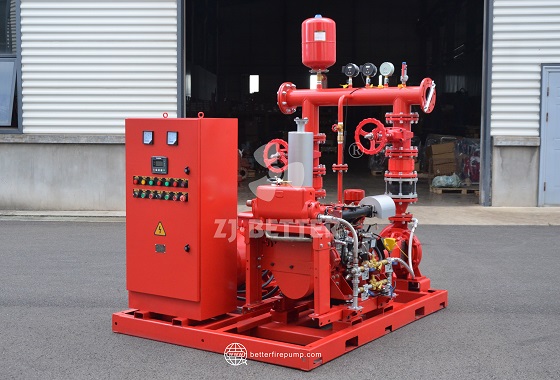
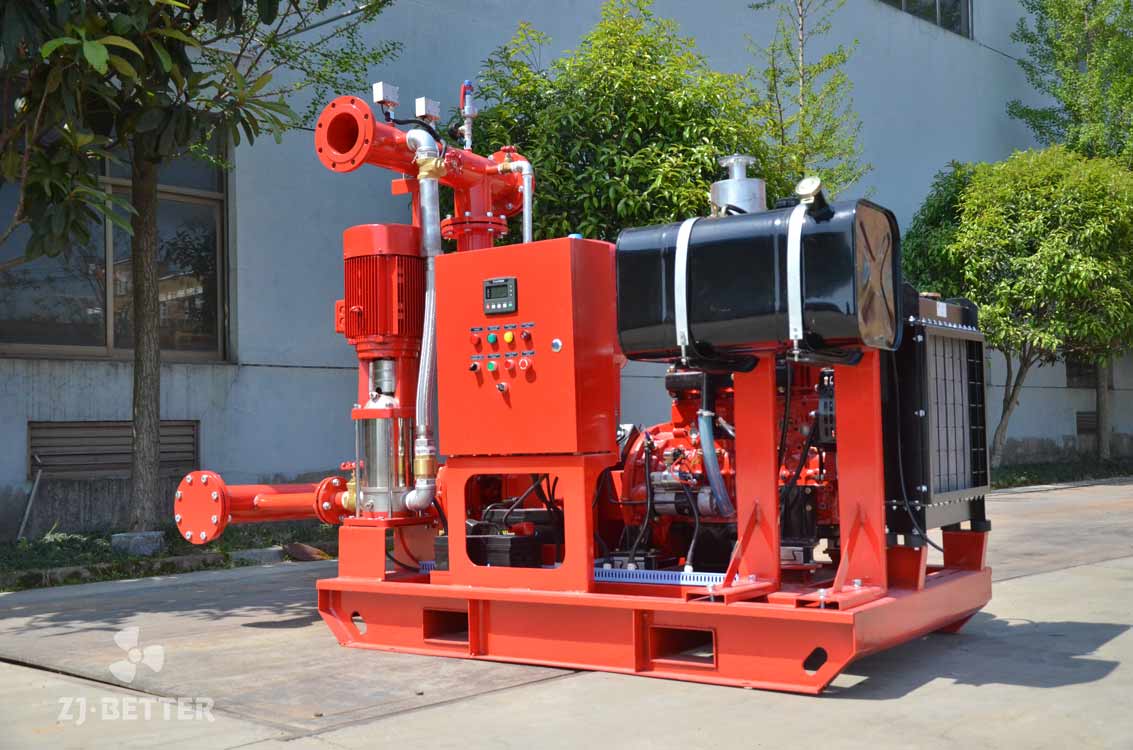
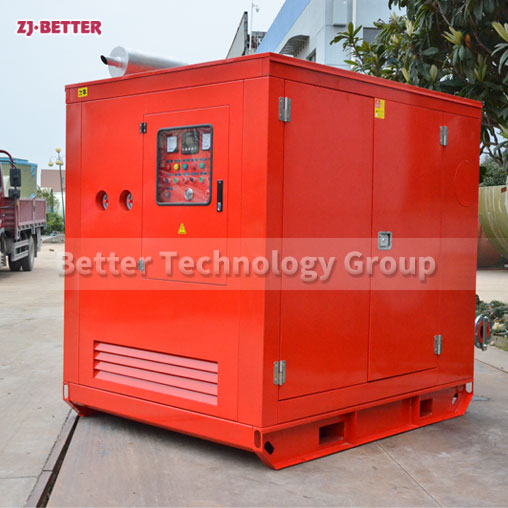
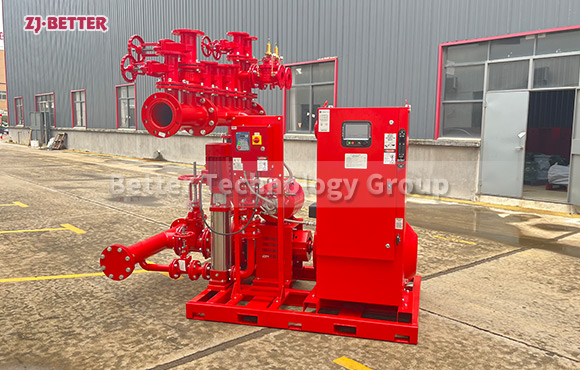
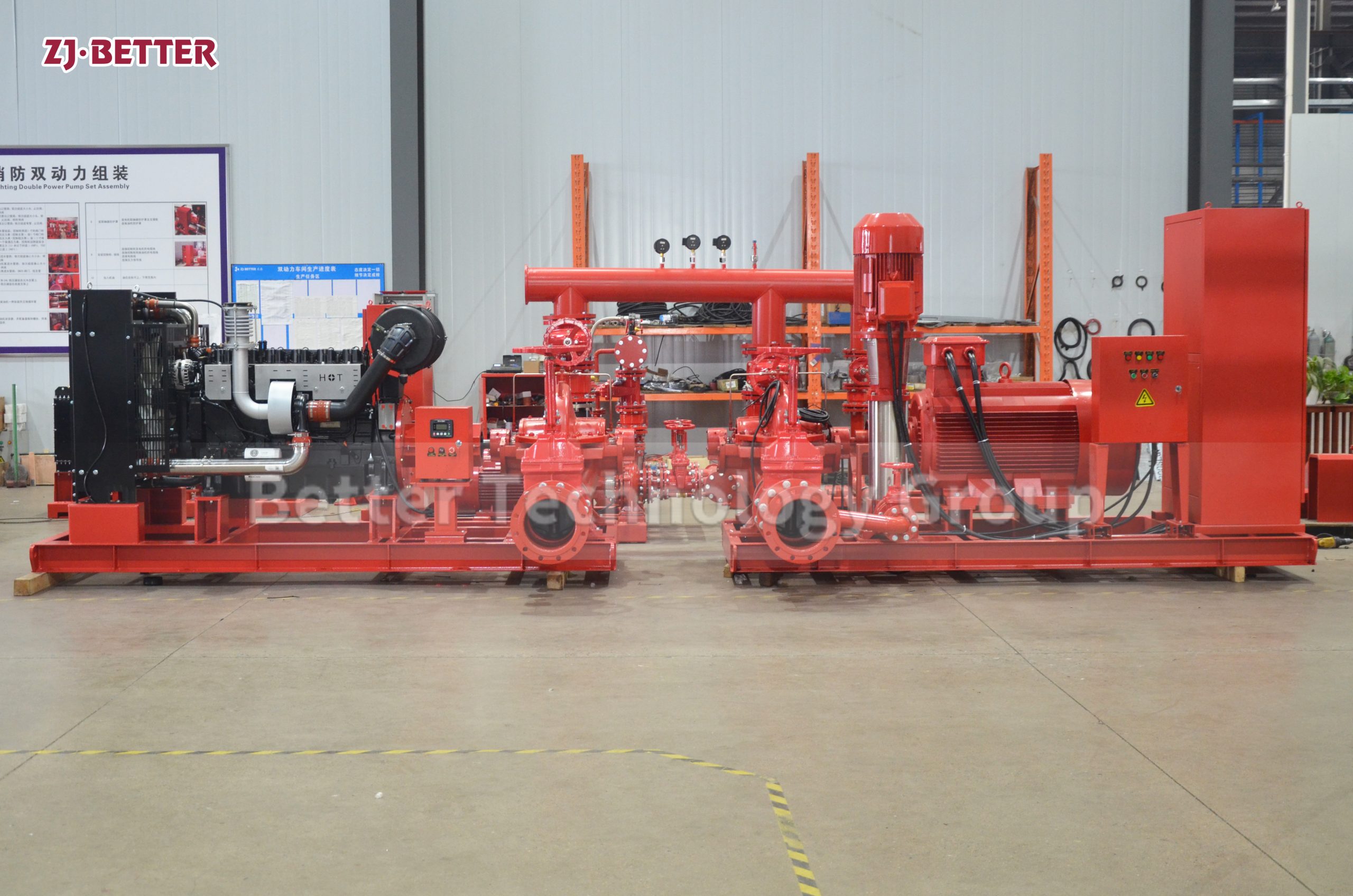
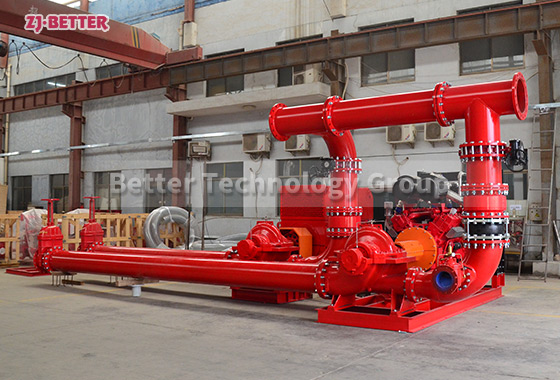
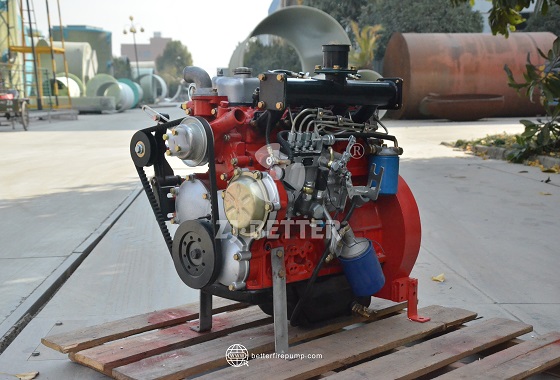
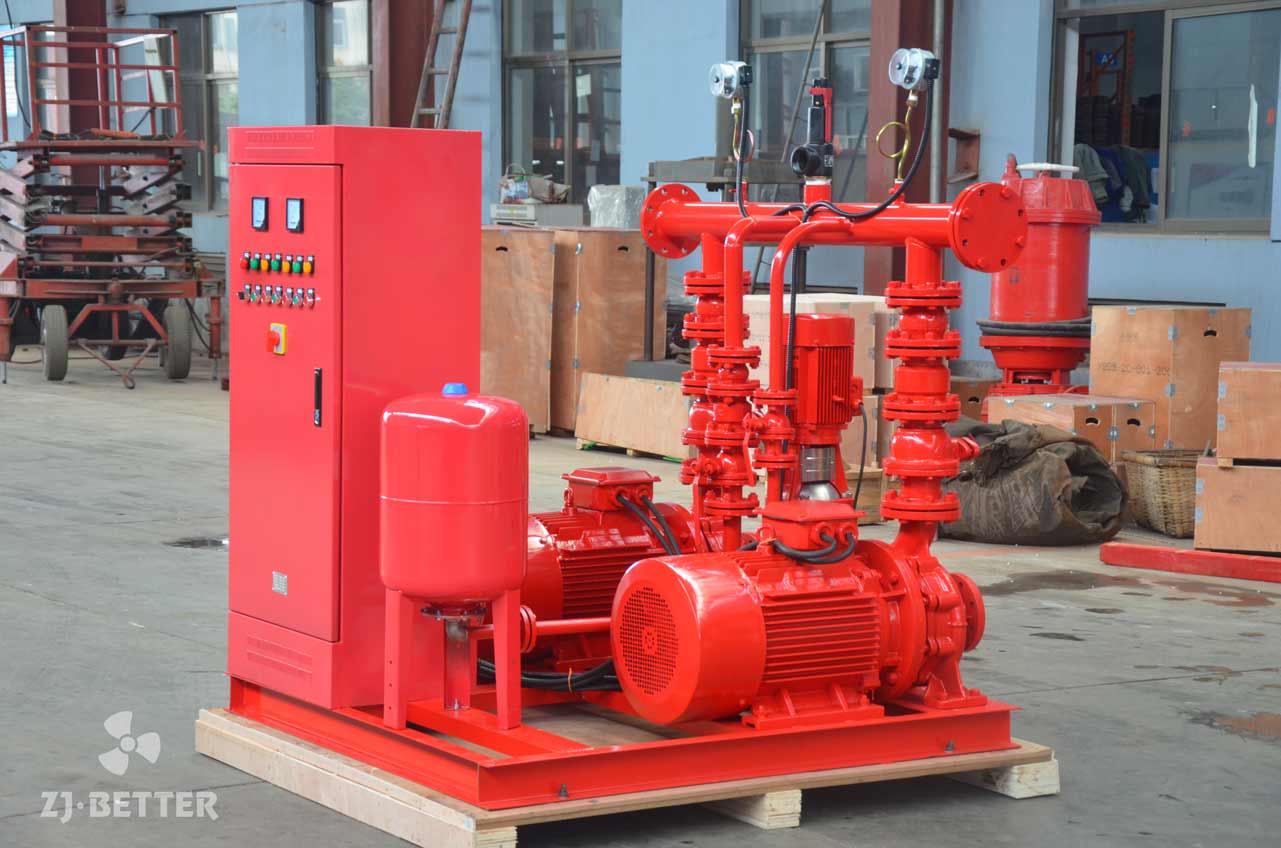
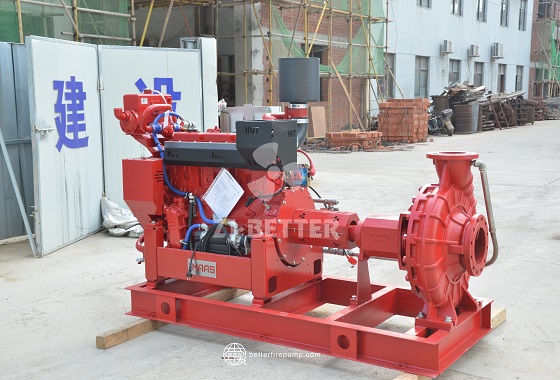
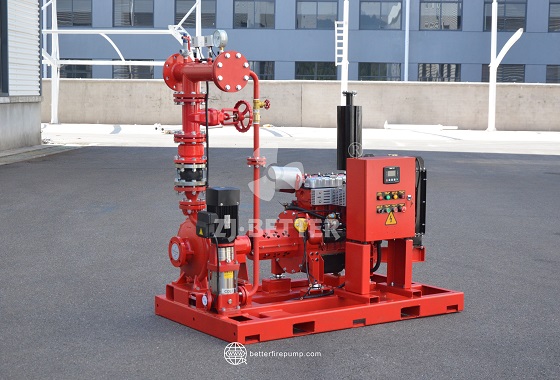
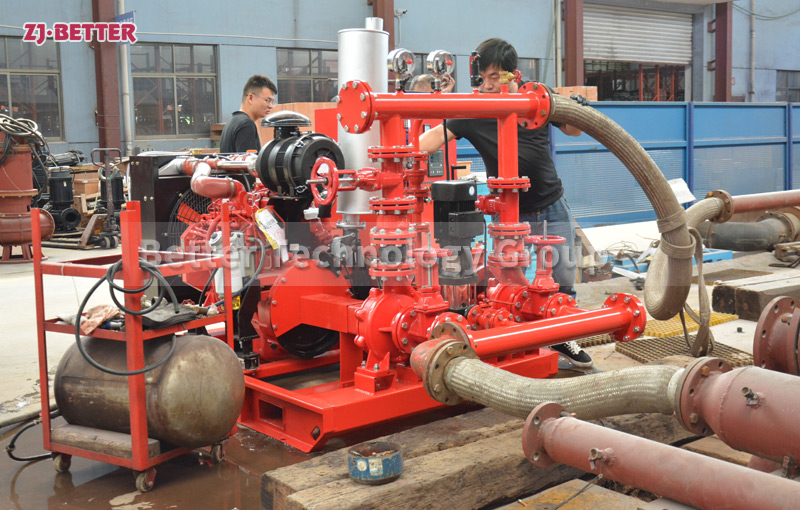
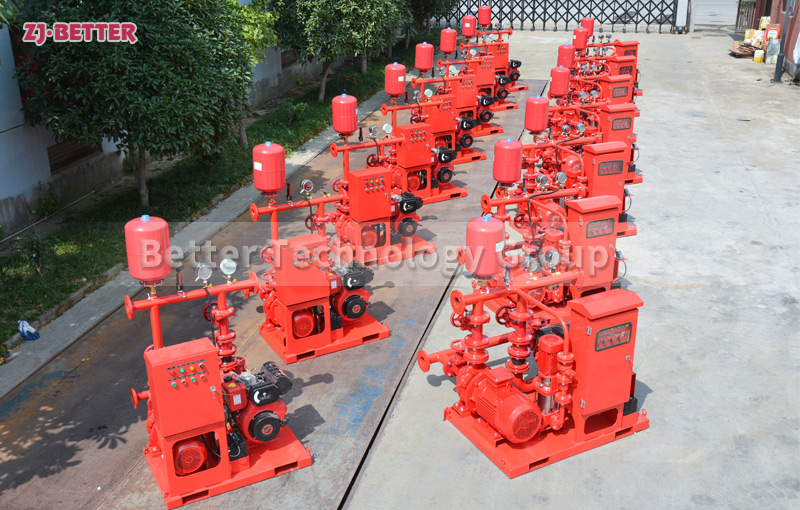
As a fixed fire-fighting equipment, the diesel engine fire-fighting pump set has been widely used in fire-fighting diversion, especially for fire-fighting water supply in unexpected situations such as no power supply or abnormal power supply (mains power). According to the needs of users, it can also be equipped with other diesel engines as power engines.

Rated 4.9/5 based on 454 customer reviews
Share:
Content

Operating procedures for diesel engine fire pump sets:

Start debugging:

1. Confirm that the coupling is aligned

2. Confirm that the diesel engine has been filled with fuel, the battery has been fully charged, the water cooling system is normal, and all valves have been opened.

3. Close the outlet valve of the water pump and open the inlet valve.

4. Turn on the power switch of the controller with the key. The readings of each indicating instrument should be normal, and then stop the machine.

5. The controller is set to the automatic position. Give the controller a self-start signal, and the diesel engine should start at normal speed.

6. If the flow head of the fire pump does not meet the requirements, the throttle can be adjusted appropriately to increase or decrease the speed of the diesel engine.

7. When the automatic stop signal is given to the controller, the diesel engine should be delayed to stop.

Emergency manual warm-up start:

For the fire pump group; when the day is cold and the engine cannot be started normally, the emergency manual preheating start method can be used. Use the key to turn on the manual preheating power supply, wrench the handle to the preheating position for 30~40 seconds, and then turn the handle to the preheating start to start the engine.
Inquiry


    More Fire Pump Set

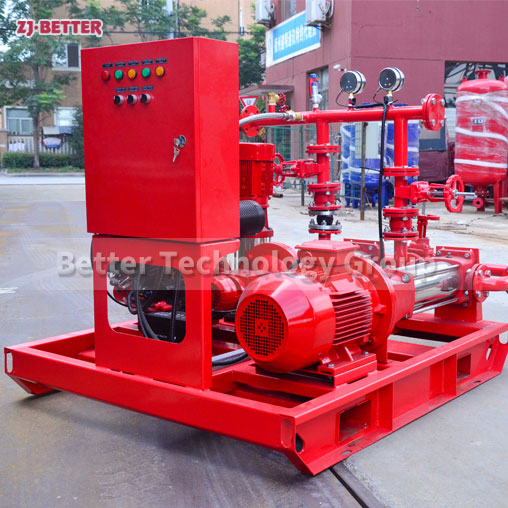
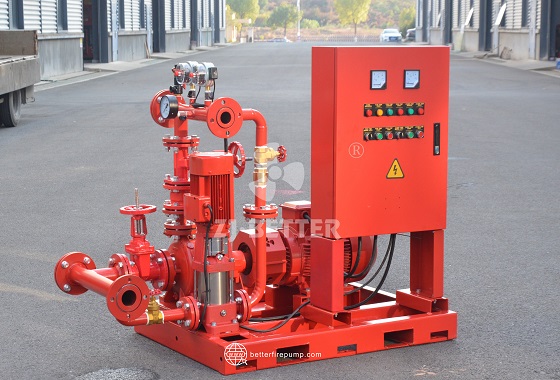
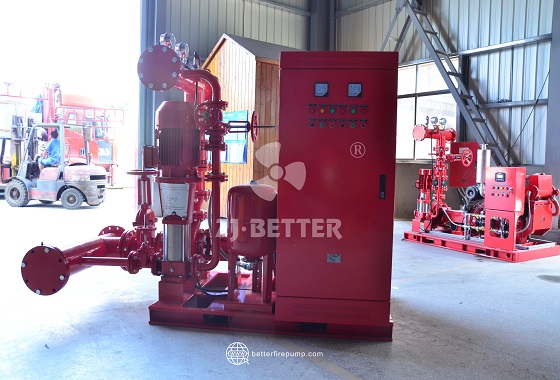
    In the fire fighting pipeline pump, according to the different installation methods can be divided into vertical fire pumps and horizontal fire pumps, many people have questions about these two common pumps, what is the difference between the two? Shanghai Xizhiquan will explain the difference between horizontal and vertical pumps.

    Obviously, different installation methods take up different space. Vertical pipeline pumps are installed vertically, covering a relatively small area, and vertical fire pumps do not require a foundation, while horizontal fire pumps need to be equipped with a base.

    According to the different structures of the two pumps, it can be concluded that there is also a certain difference in the ease of maintenance of the two types of fire fighting pipeline pumps. The impeller of the vertical fire pump needs to be dismantled from top to bottom, which makes maintenance more difficult; the horizontal fire pump only needs to have the inlet pipe removed so that the impeller can be overhauled, which is relatively simple.

    Due to the different inlet and outlet pipe directions, the pipeline connection between vertical and horizontal is also different. As the vertical pump is a bottom-up structure, while the horizontal fire pump is longitudinally arranged on the base, so the motor of the vertical pump and the pump body are connected in the form of sub-mouth connection, while the horizontal pump needs to use couplings to connect with the motor, and the horizontal pipeline pump needs to be corrected regularly.

    Translated with www.DeepL.com/Translator (free version)