Home » Fire Pump Set » Diesel pump firefighting equipment for any occasion

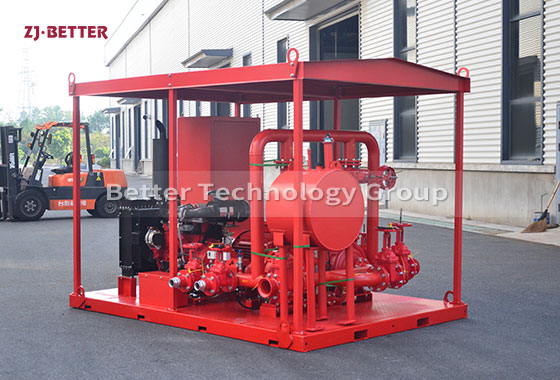
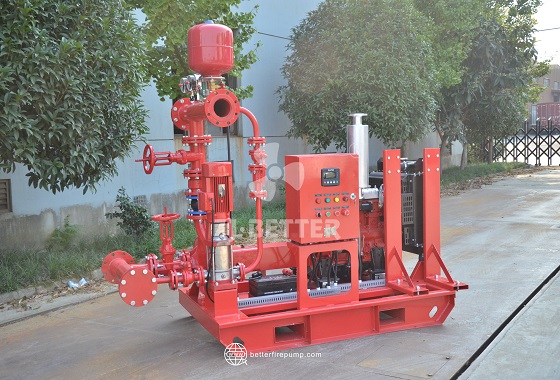
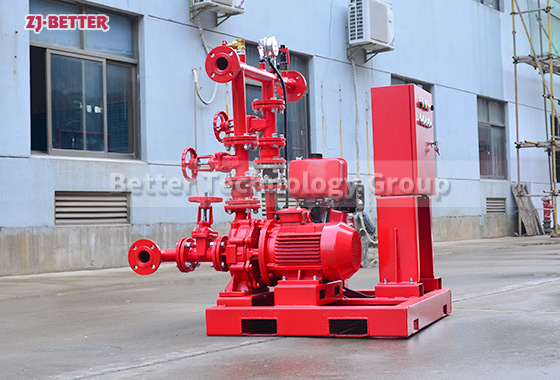
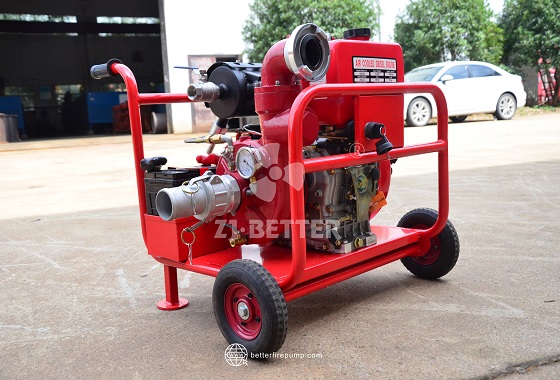
Diesel pump firefighting equipment for any occasion

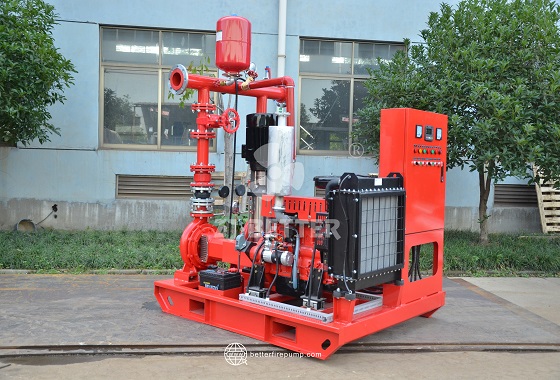
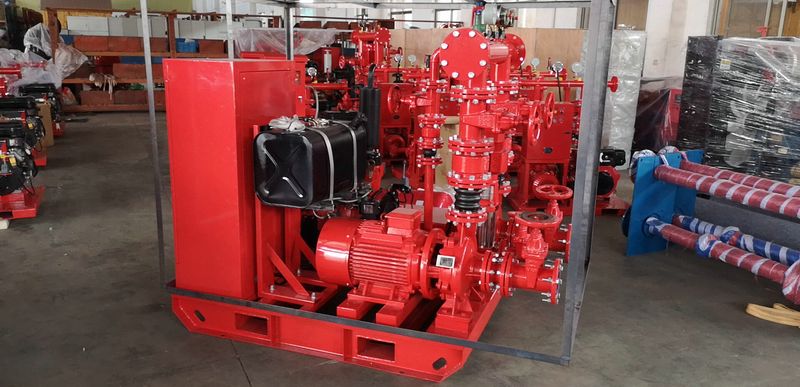
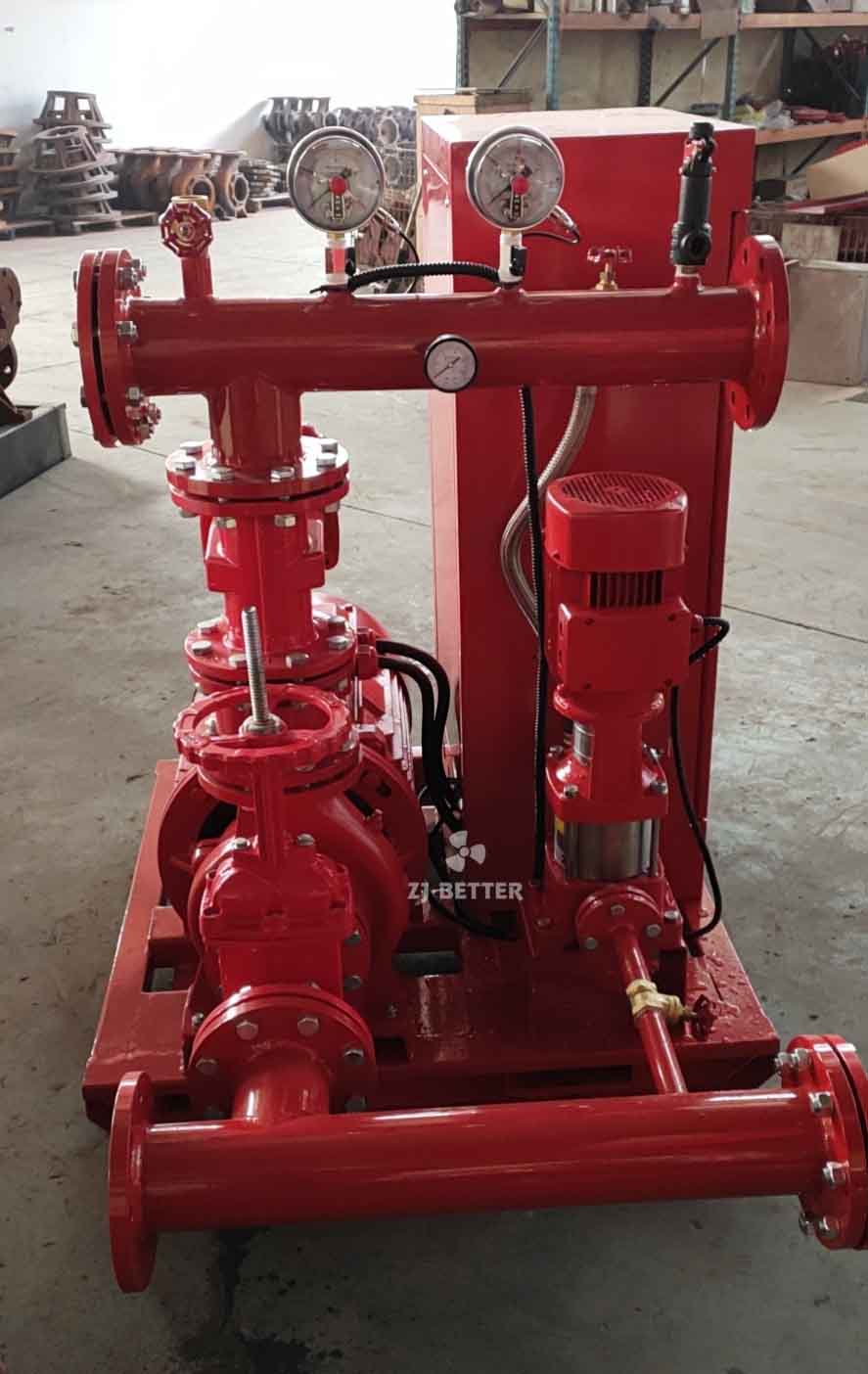
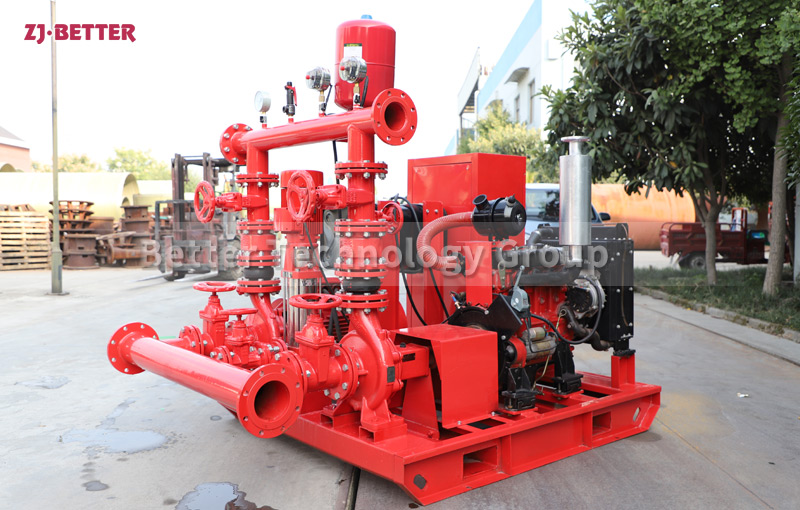
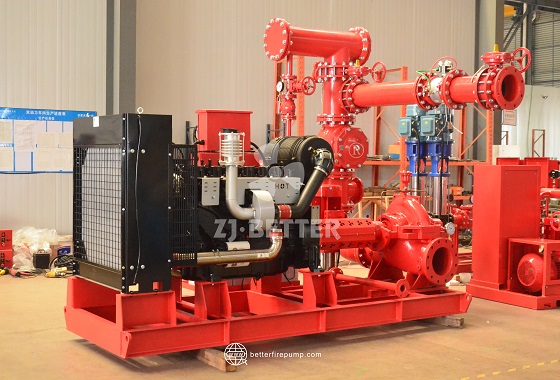
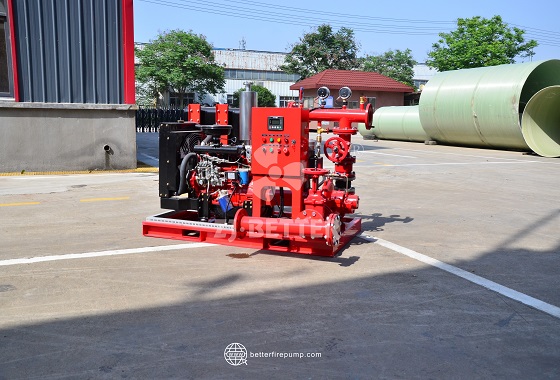
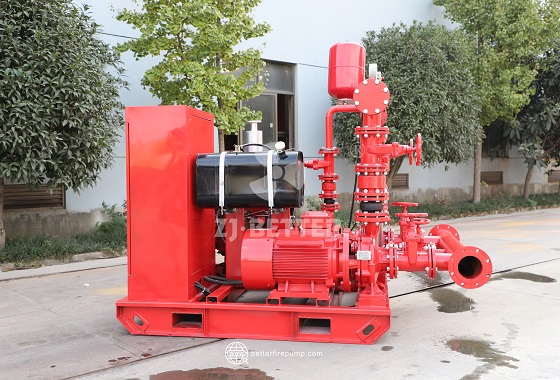
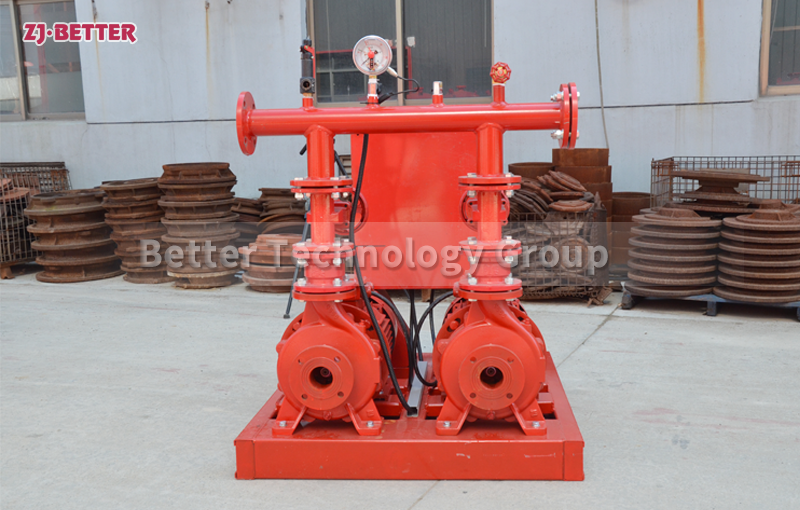
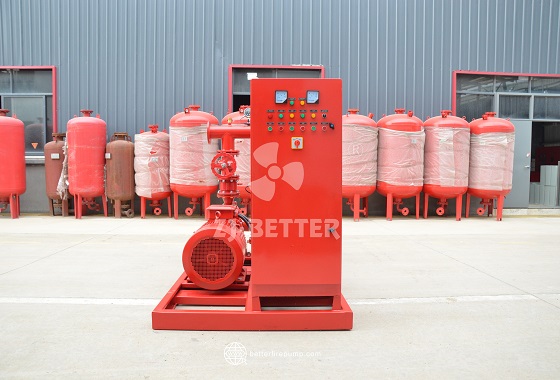
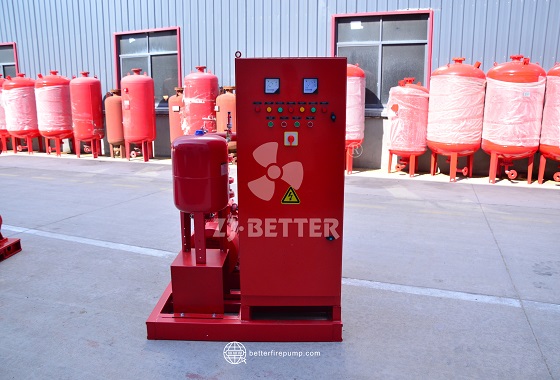
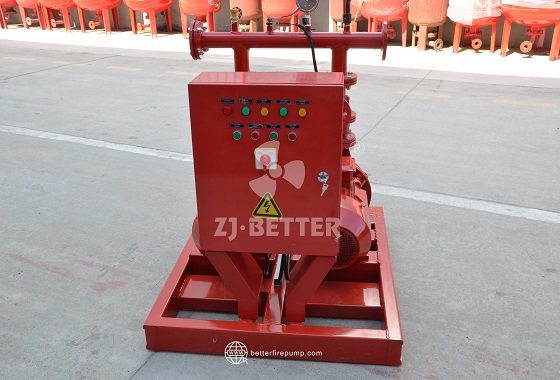
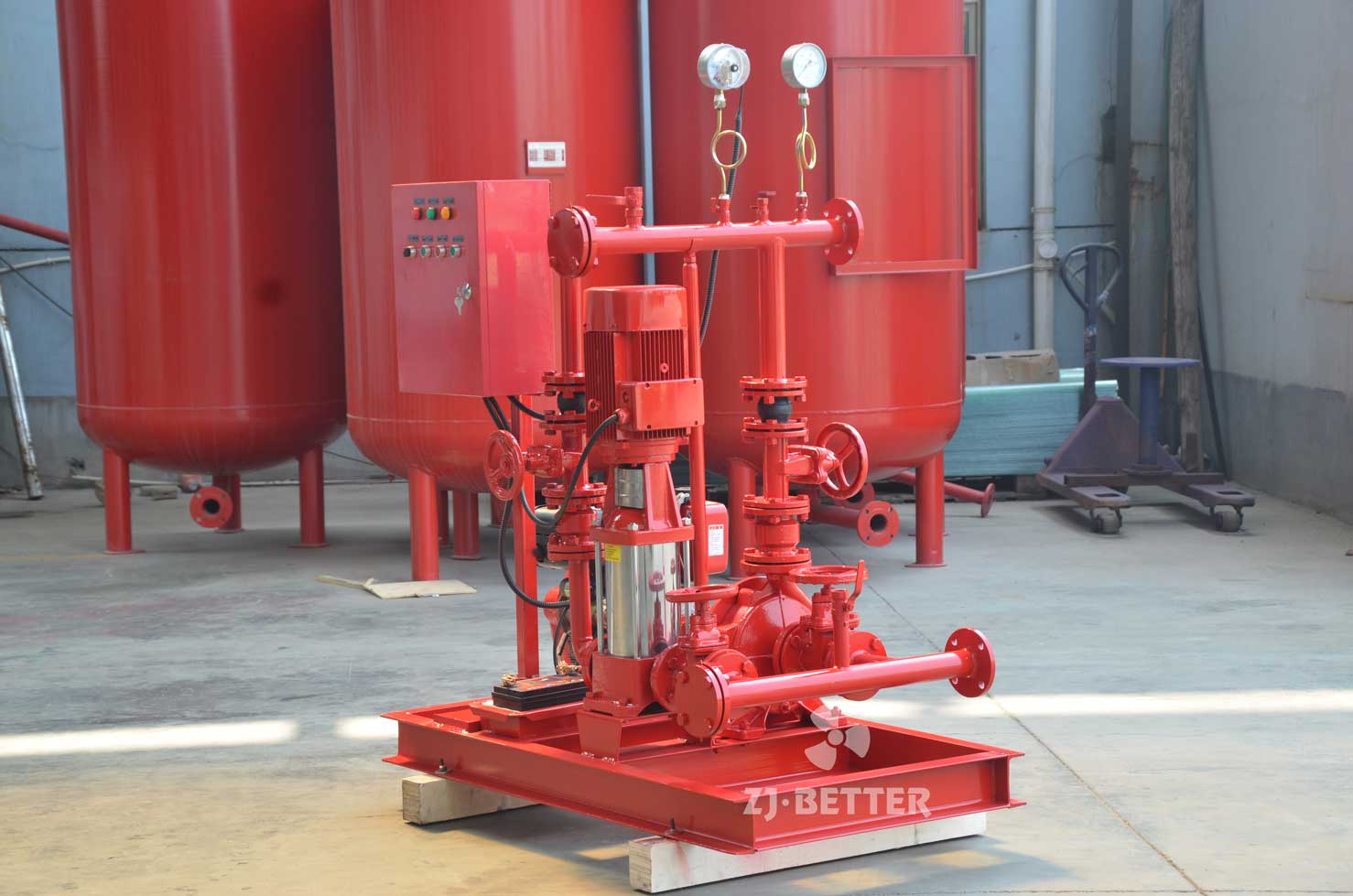
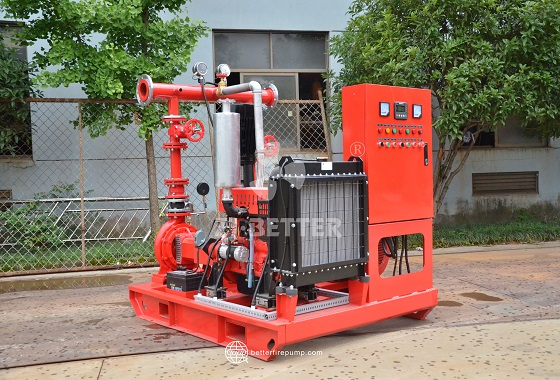
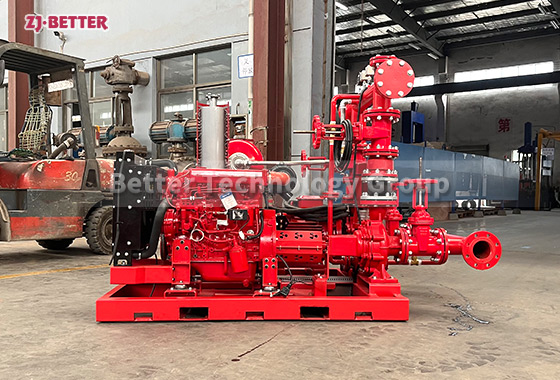
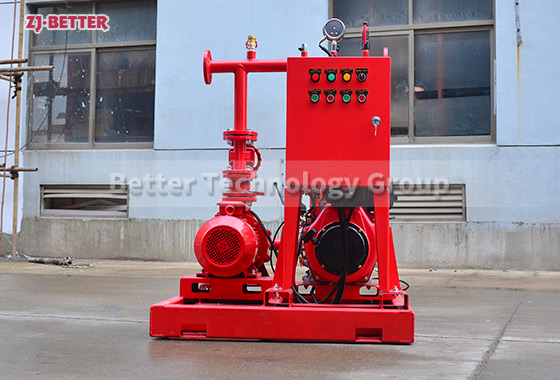
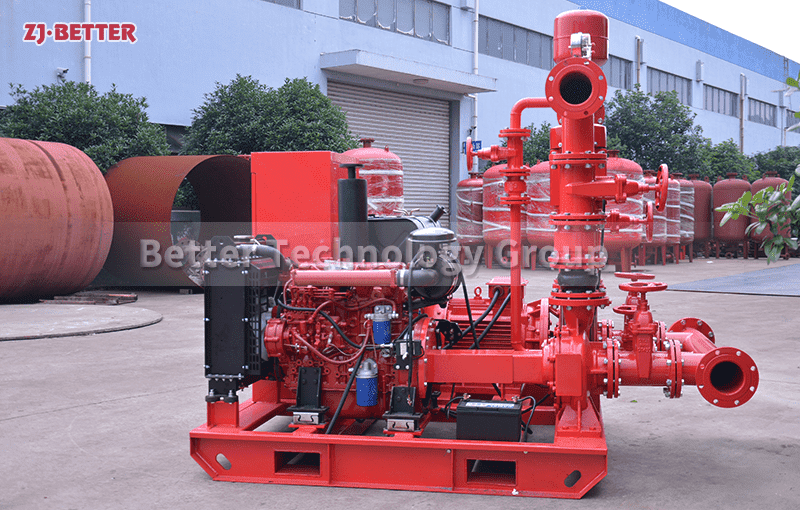
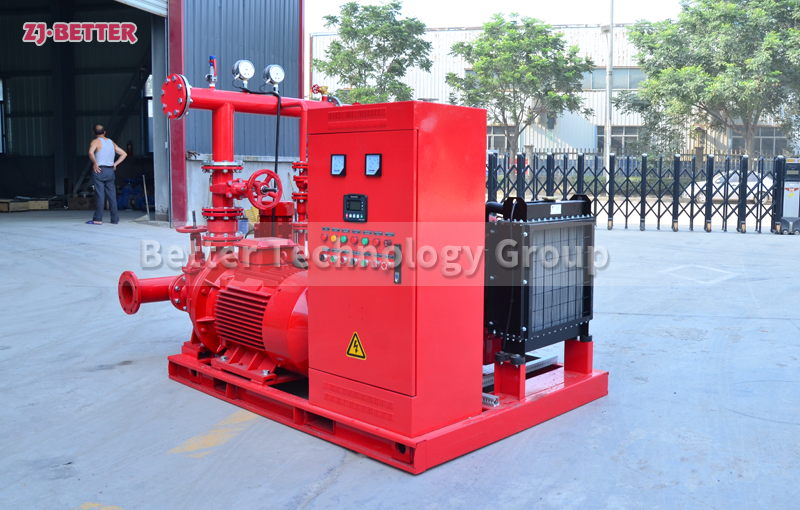
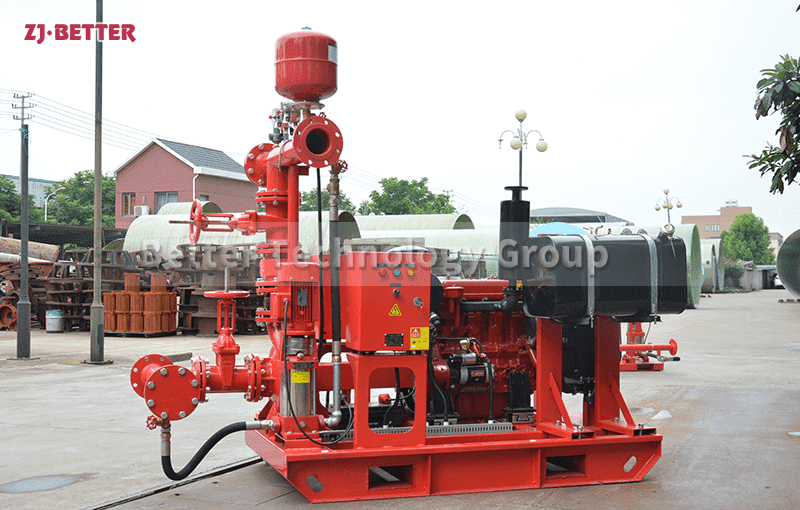
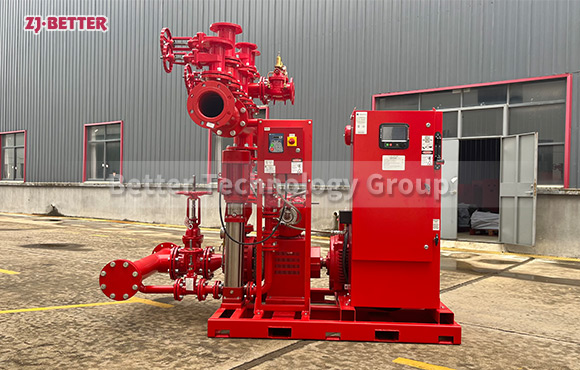
For supplying water to automatic fire fighting systems and installations with hydrants. Fire pumps are part of the water supply to a fire sprinkler system and are powered by electricity, diesel or steam. It is used to extinguish fires over a period of time.
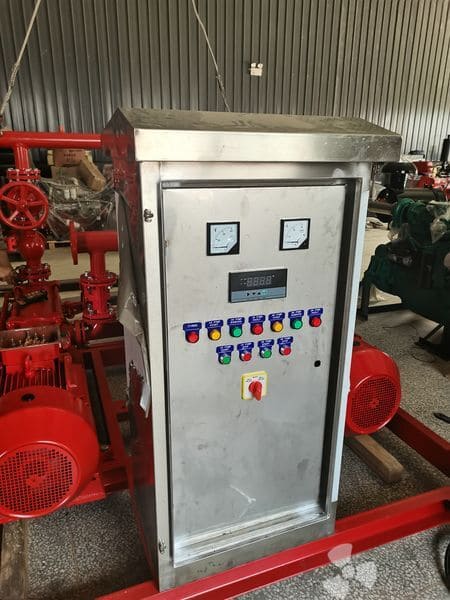
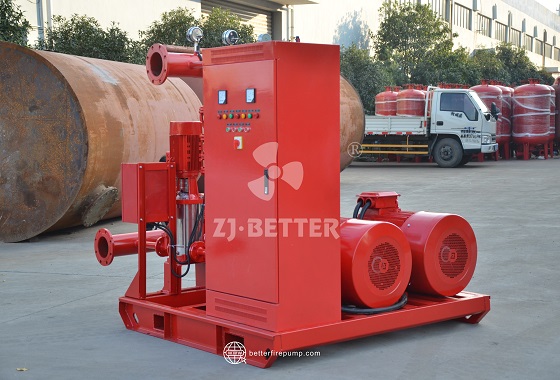
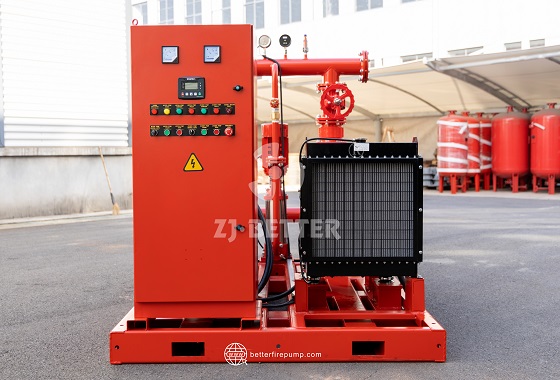
The fire pump is equipped with a control panel where you can adjust the flow of water and its power.
It is the most important part of fire protection system safety, in order to ensure the safety of people inside buildings, schools, ministries, hospitals, markets, shops, factories, malls or any infrastructure, a fire pump system must be installed to prevent the fires they enter.
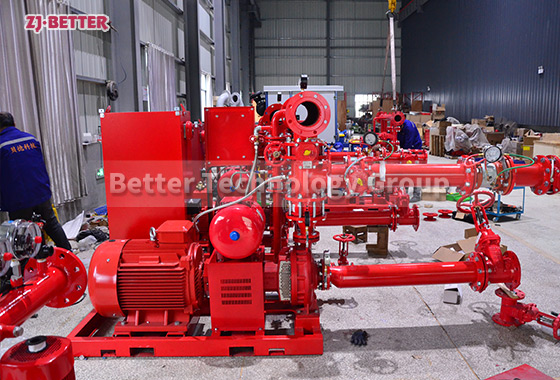
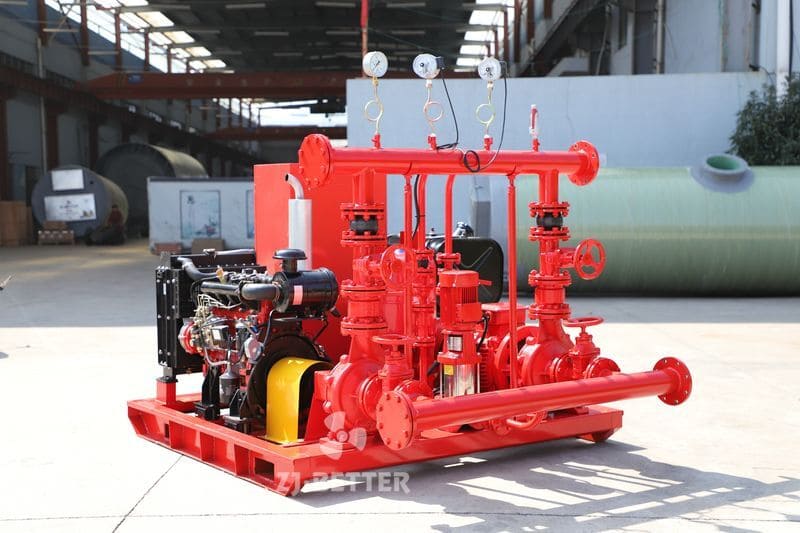
There are different types of fire pumps with different operations and capacities, for example; vertical and horizontal fire pumps powered by electric or diesel.

Rated 4.8/5 based on 529 customer reviews
Share:
Content

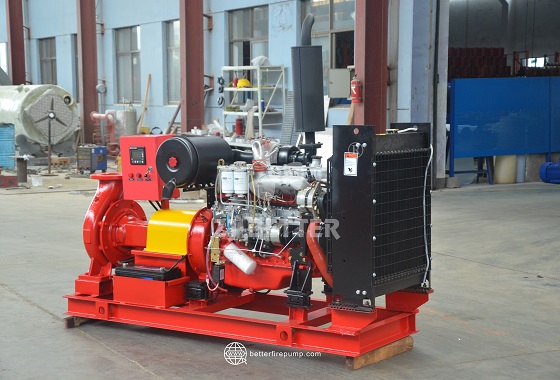
In order to match the service cycle of the fire pump, the inspection of the diesel engine and the fire pump should be regularly checked, and the parts to be replaced or repaired should be adjusted and corrected in a timely manner. We need to check the fuel tank reserves and oil quality of the diesel engine fire pump every day; the usage of the battery; the cooling system, etc., the pump shaft, impeller, bearing, and the wear of the water pipe and filter screen of the water pump. (Diesel engines of different brands may be different, and should be checked and maintained according to the specific model and structure of the diesel engine).
Inquiry


    More Fire Pump Set

    When installing a fire pump, it is essential to adhere to specific requirements to ensure its proper functionality and compliance with safety standards. Here are some important installation requirements to consider:

    Codes and Standards: Familiarize yourself with local fire codes, regulations, and industry standards applicable to fire pump installations.

    Location and Accessibility: Choose an appropriate location for the fire pump that allows for easy access, maintenance, and serviceability.

    Foundation and Mounting: Ensure that the fire pump is installed on a stable and level foundation capable of supporting its weight and minimizing vibration.

    Electrical Connections: Electrical connections should be performed by licensed electricians following electrical codes and regulations.

    Water Supply: Ensure an adequate and reliable water supply for the fire pump.

    System Piping and Valves: The piping system should be installed following the pump manufacturer’s specifications and relevant standards.

    Controls and Monitoring: Install the pump’s control panel and associated instrumentation according to manufacturer guidelines.

    Testing and Commissioning: Thoroughly test and commission the fire pump system before placing it into service.

    Documentation and Training: Maintain comprehensive documentation of the installation, including drawings, equipment specifications, test reports, and maintenance records.

    It is crucial to consult with fire protection professionals, including fire engineers and pump manufacturers, to ensure compliance with all relevant requirements during the installation process. Proper installation is essential for the reliable operation of the fire pump and the safety of the facility and its occupants.