Home » Fire Pump Set » EJ fire pump is composed of electric pump and regulated pump

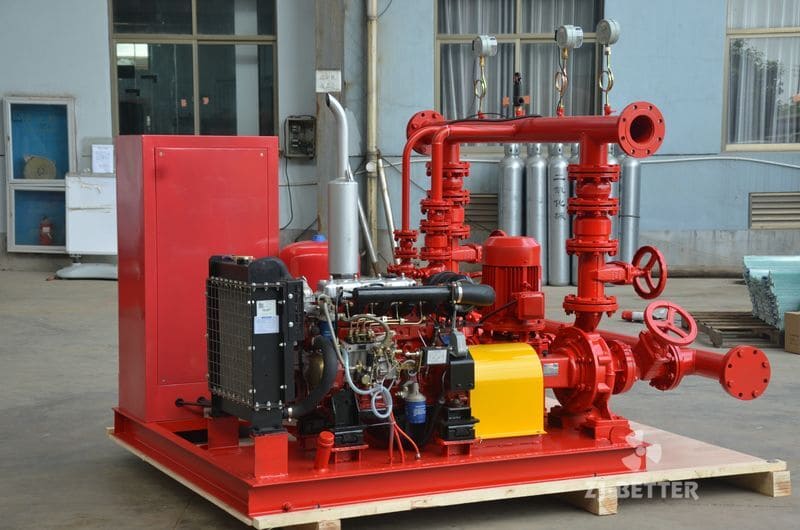
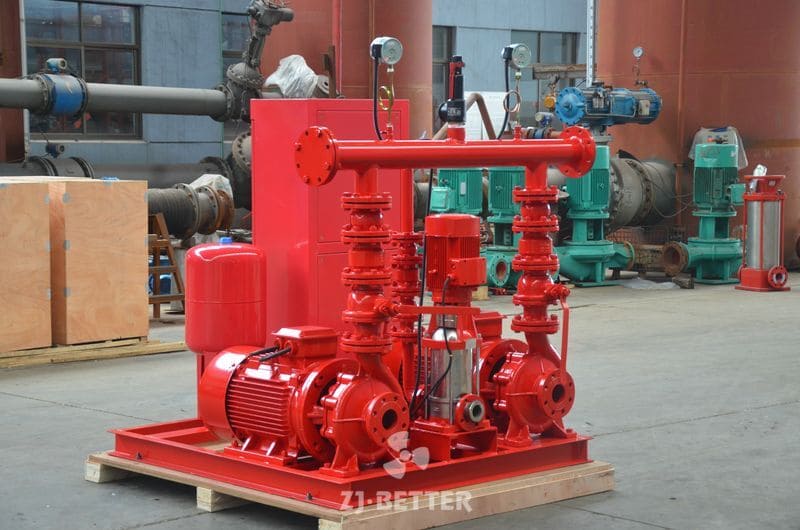
EJ fire pump is composed of electric pump and regulated pump

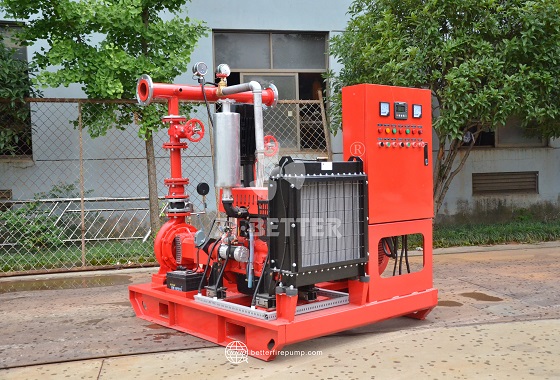
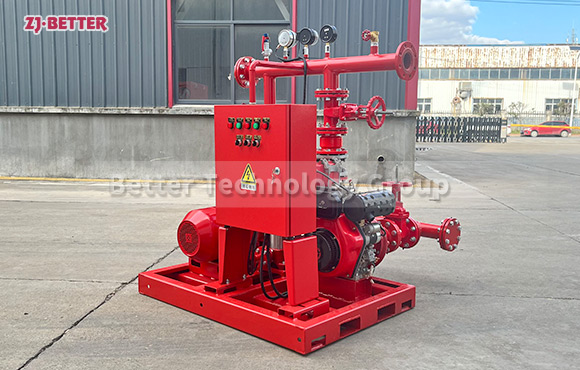
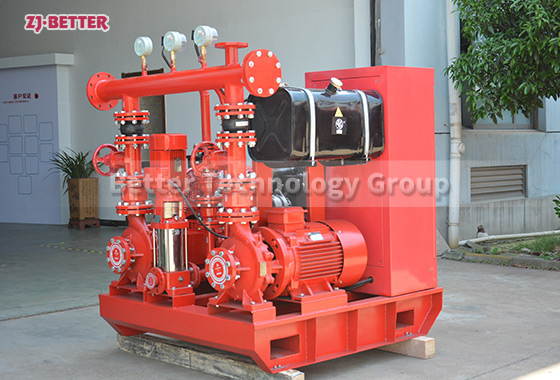
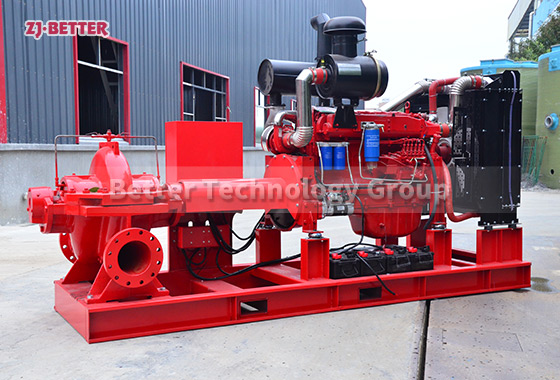
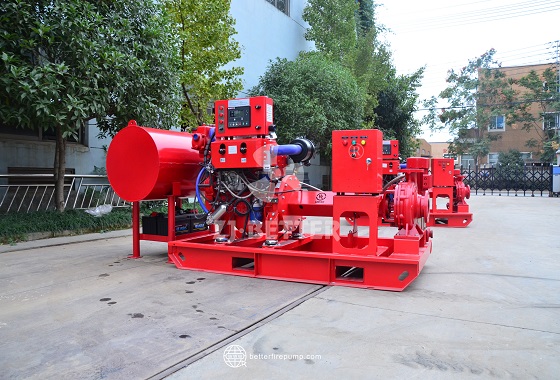
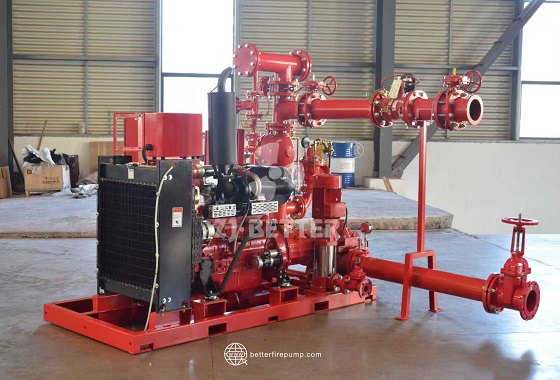
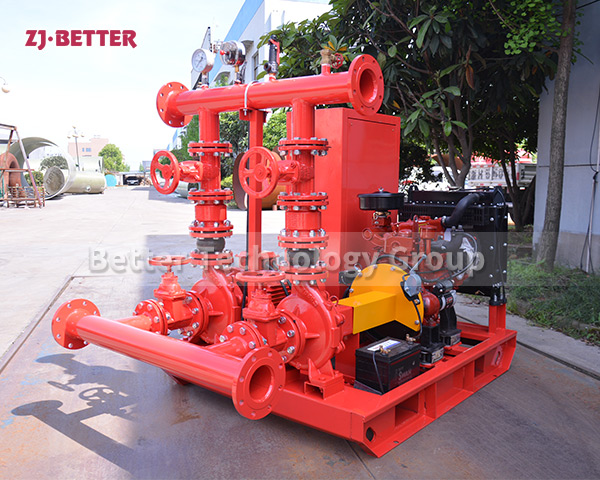
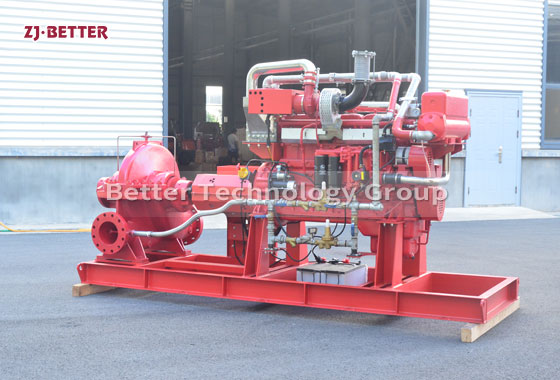
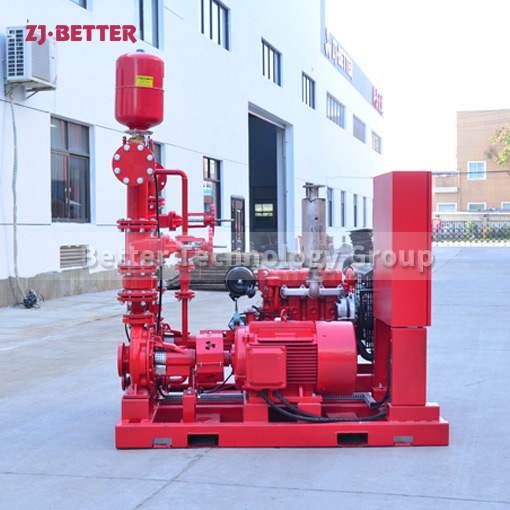
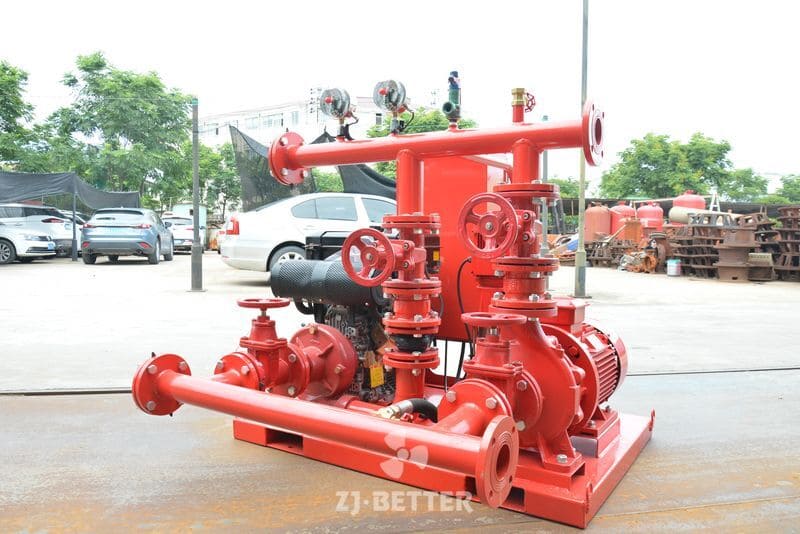
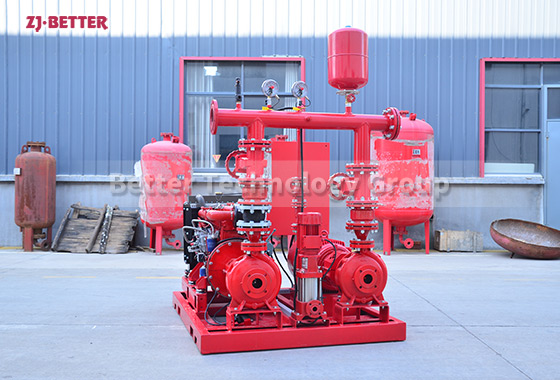
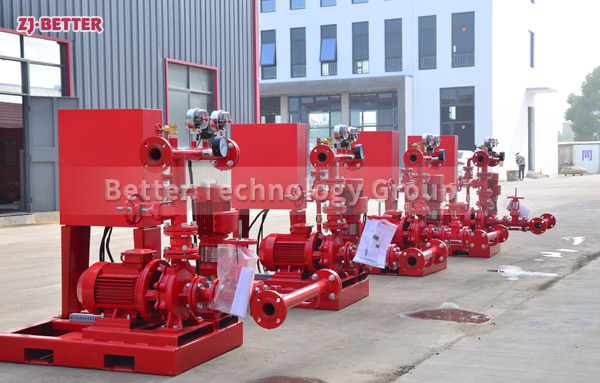
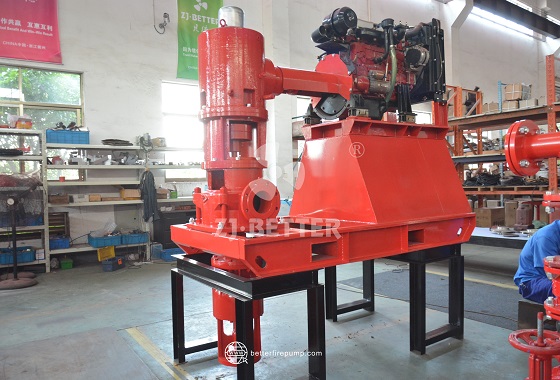
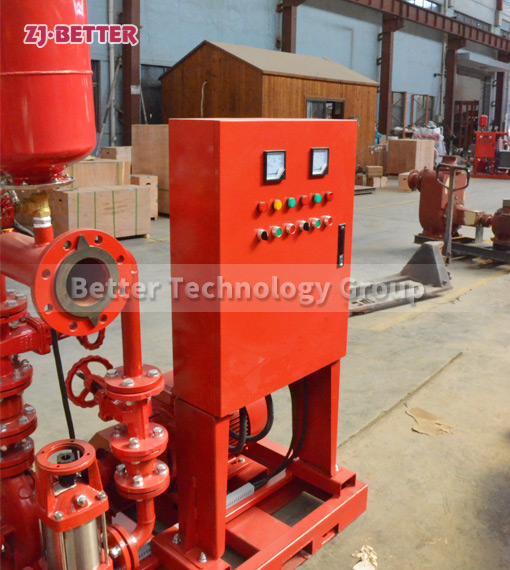
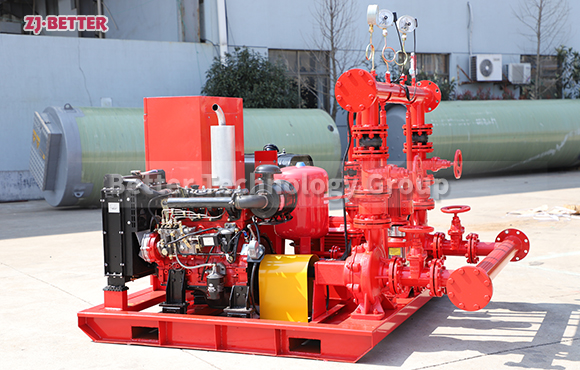
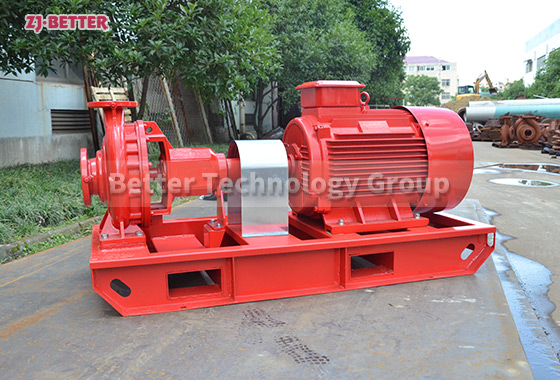
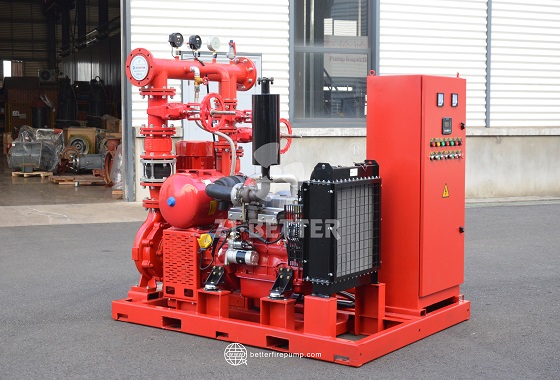
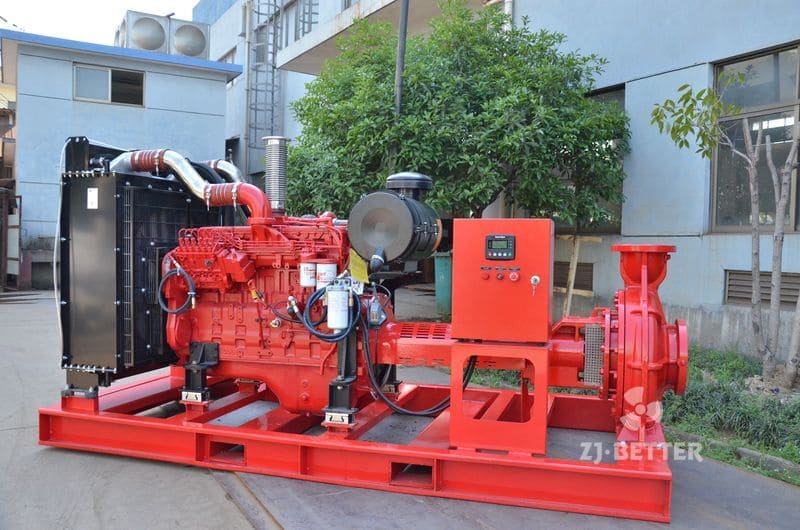
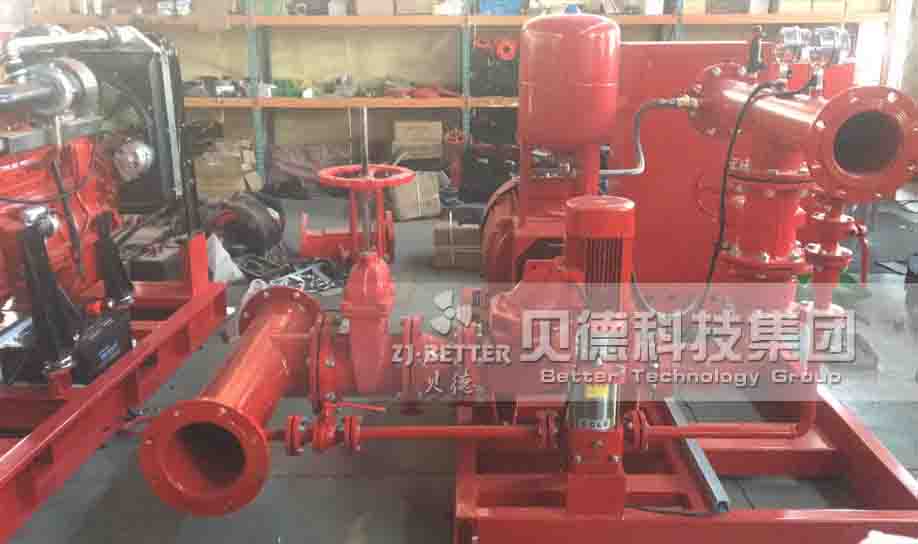
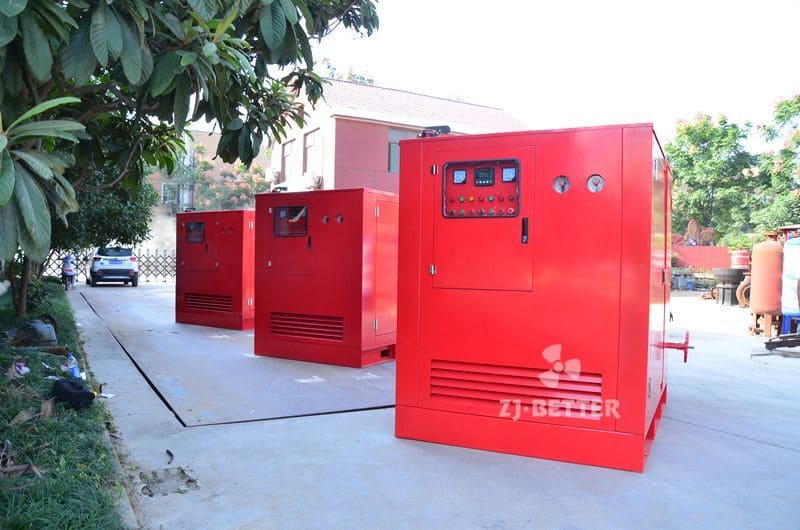
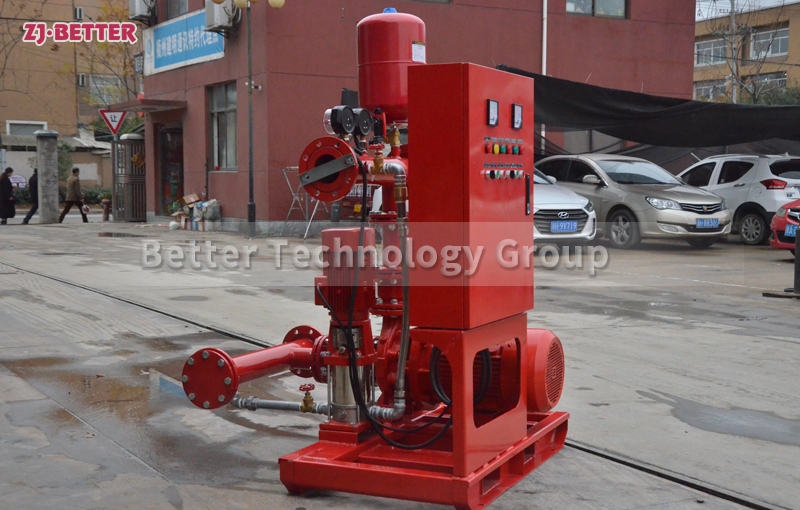
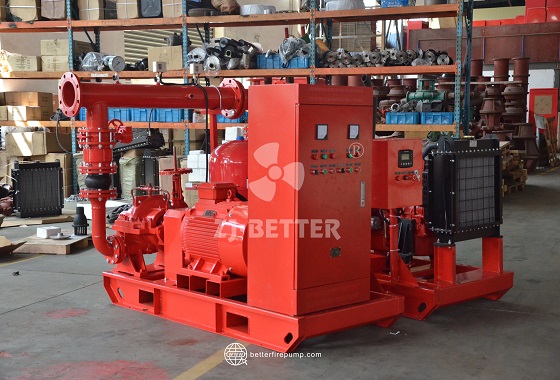
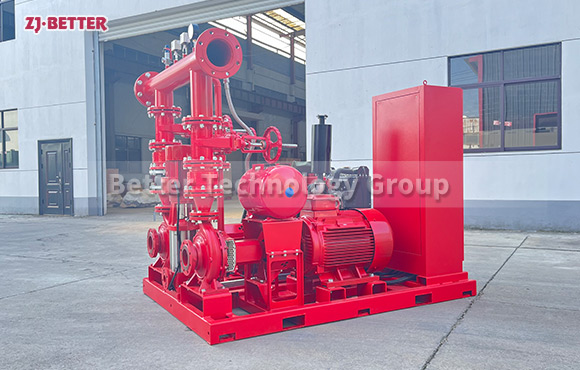
Fire pump refers to a clean water pump used for fire water supply, and a single water pump with a treatment medium temperature lower than 80 degrees and non-corrosive. The pump unit is a joint operation of multiple fire pumps to ensure the quantity and stability of water supply. The electric motor fire pump set adopts multiple fire water pumps powered by electric motors.

Rated 5/5 based on 223 customer reviews
Share:
Content

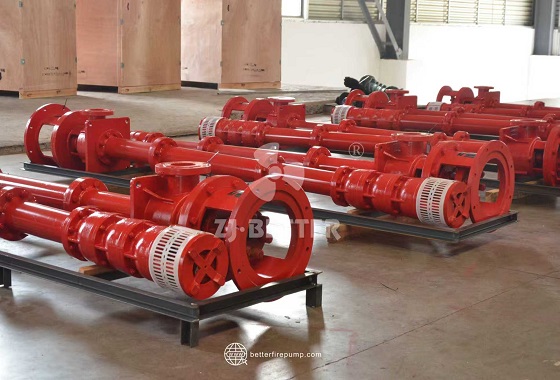
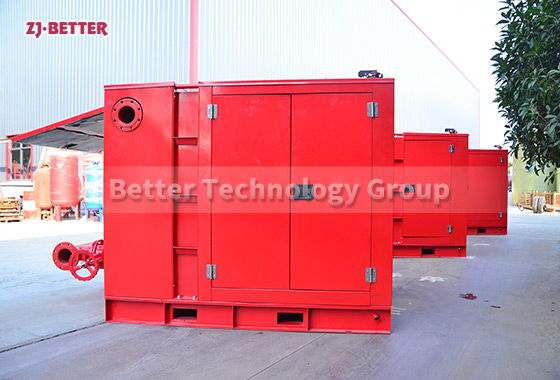
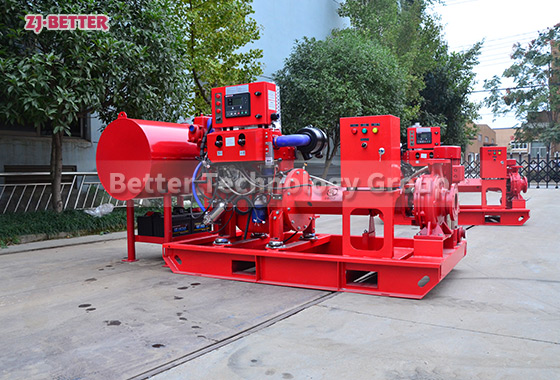
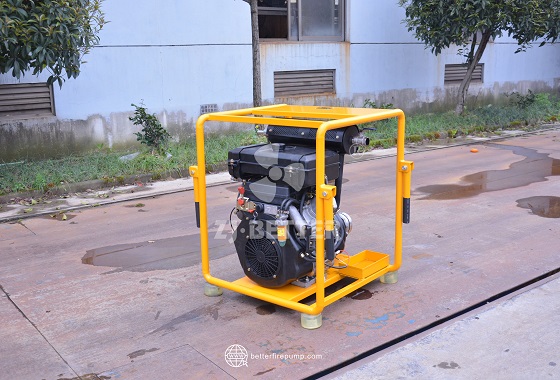
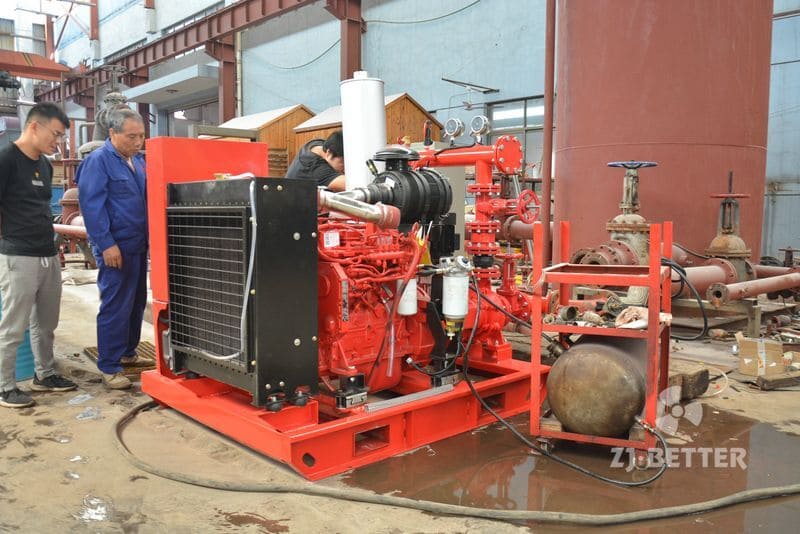
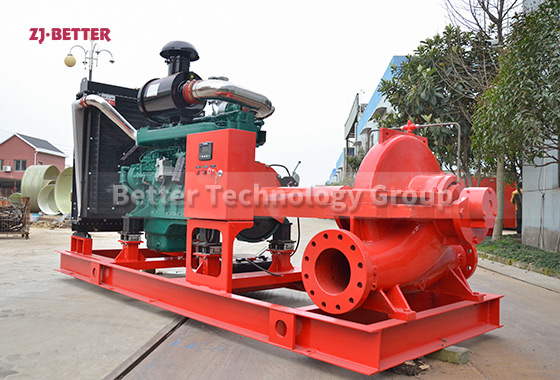
There are many types of electric motor fire pump sets, including long-axis fire pumps, vertical single-stage or multi-stage fire pumps, horizontal fire pumps, etc., and the installation environment and performance requirements (boosting/stabilizing, etc.) are selected as the basis. Fire pumps occupy an important position in both life and production, requiring more but stable performance. As long as you choose a suitable fire pump manufacturer to ensure the quality of the pump and the correct selection of the pump, there will be fewer troubles for daily use. There are two kinds of sealing forms for electric motor fire pump sets: packing seal and mechanical seal. Different forms can be used in different environments. The manufacturing difficulty and material selection lead to different prices. For most users, the suitable fire pump selection material is very good. High-quality equipment does not need to exceed the requirements of good materials and oversized models, otherwise it will easily cause many failures and difficult maintenance.
Inquiry


    More Fire Pump Set

    Using a fire pump efficiently and reasonably is crucial to ensure its optimal performance and effective firefighting capabilities. Here are some key considerations for using a fire pump efficiently:

    Proper Sizing: Ensure that the fire pump is properly sized for the specific application.

    Regular Maintenance: Perform regular maintenance on the fire pump to keep it in optimal condition.

    Optimal Operating Speed: Operate the fire pump at the optimal speed based on the required flow rate and pressure.

    Water Management: Manage the water supply efficiently to avoid unnecessary waste.

    Training and Familiarization: Provide training to firefighters and operators on the proper operation of the fire pump.

    Monitoring and Control: Utilize monitoring and control systems to optimize pump operation. These systems can provide real-time information on flow rates, pressures, and energy consumption. Use this data to adjust operating parameters as needed and identify any anomalies or inefficiencies that may require attention.

    Shut Down When Not in Use: When the fire pump is not actively needed, consider shutting it down to conserve energy and reduce wear on the equipment.

    Record Keeping: Maintain records of pump operation, maintenance activities, and any performance issues.

    Efficient and reasonable use of a fire pump not only helps conserve resources but also ensures its readiness to combat fires effectively. By following proper operating procedures, conducting regular maintenance, and promoting a culture of efficiency among operators, the fire pump can operate optimally and provide reliable firefighting capabilities when needed most.

    Installing fire pumps requires careful planning and adherence to specific precautions to ensure proper functionality and compliance with safety standards. Here are some important precautions to consider during the installation process:

    Compliance with Codes and Standards: Familiarize yourself with local fire codes, regulations, and industry standards applicable to fire pump installations. Ensure that the installation meets the requirements of organizations such as the National Fire Protection Association (NFPA) and local authorities having jurisdiction (AHJs).

    Professional Installation: Fire pump installations should be carried out by qualified professionals experienced in fire protection systems. Engage licensed contractors or fire protection engineers who specialize in fire pump installations. They possess the necessary knowledge and expertise to ensure a correct and safe installation.

    Proper Location: Choose an appropriate location for the fire pump installation. Consider factors such as accessibility, proximity to water sources, electrical connections, and suitable drainage. The location should allow for easy maintenance and serviceability. Follow the manufacturer’s guidelines regarding clearance requirements and proximity to other equipment.

    By following these precautions, you can ensure a safe and effective installation of a fire pump system. Proper installation is critical for the system’s performance, compliance with regulations, and the overall safety of the facility and its occupants. Consult with fire protection professionals and refer to relevant codes and standards throughout the installation process.