Home » Fire Pump Set » Horizontal vs. Vertical Fire Pumps

Horizontal vs. Vertical Fire Pumps

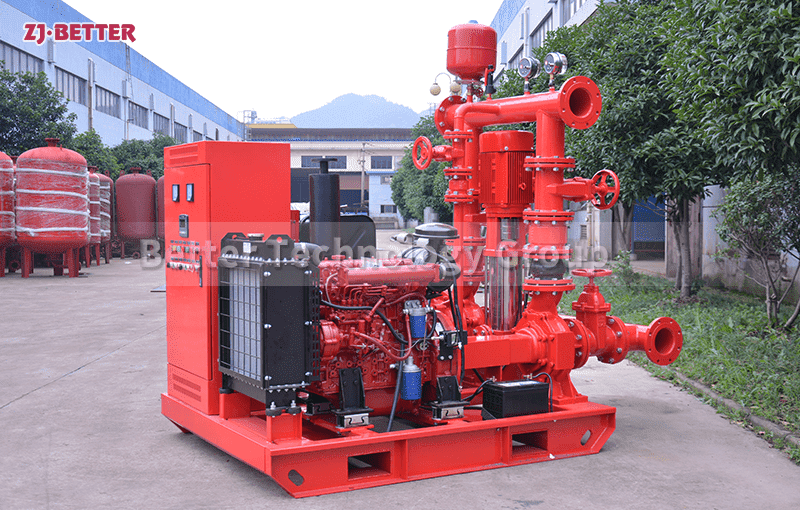
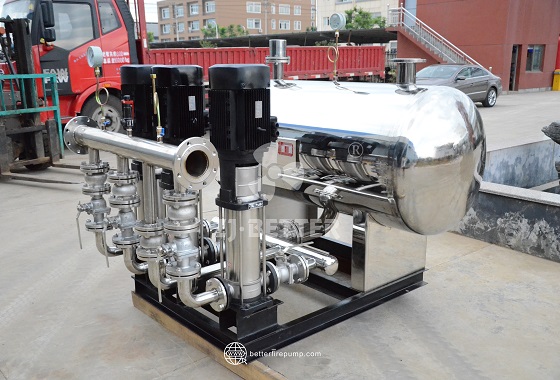
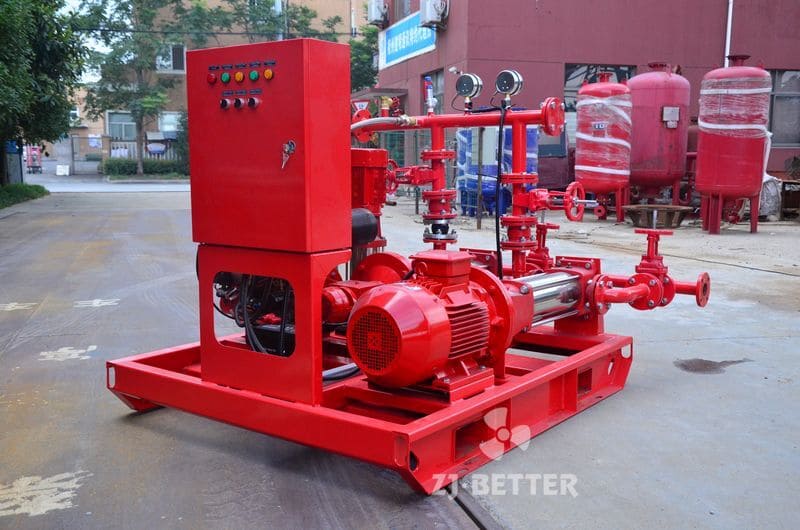
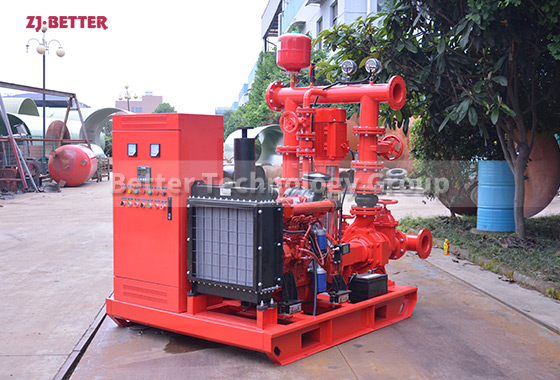
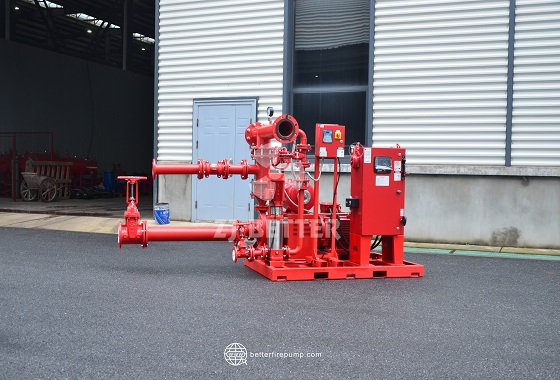
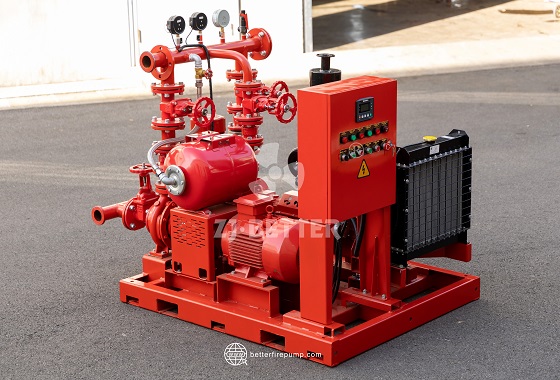
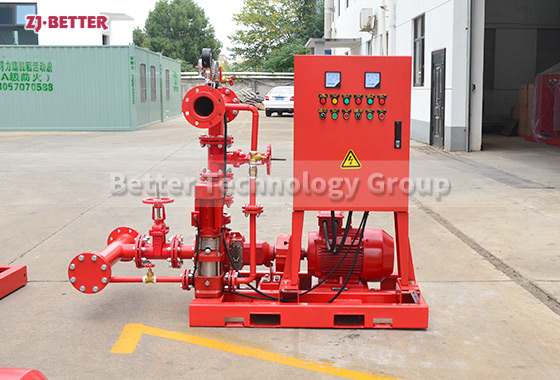
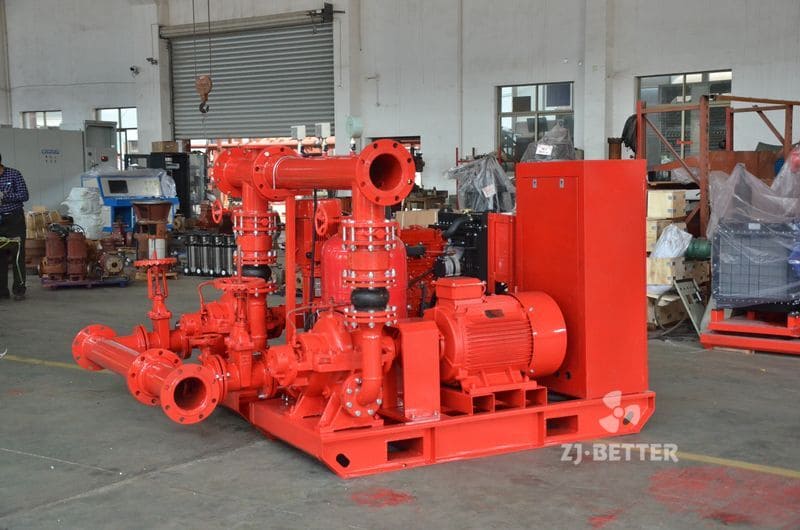
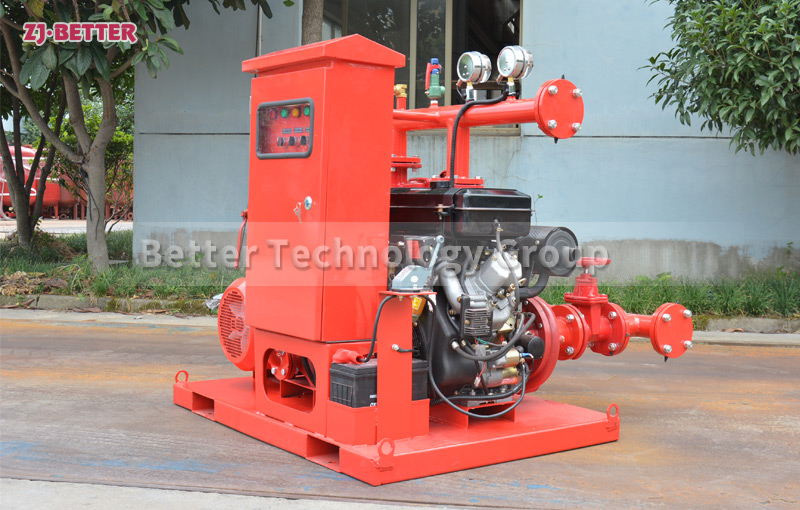
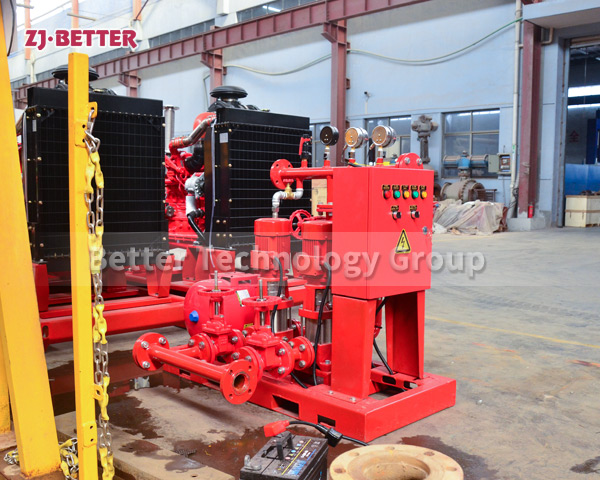
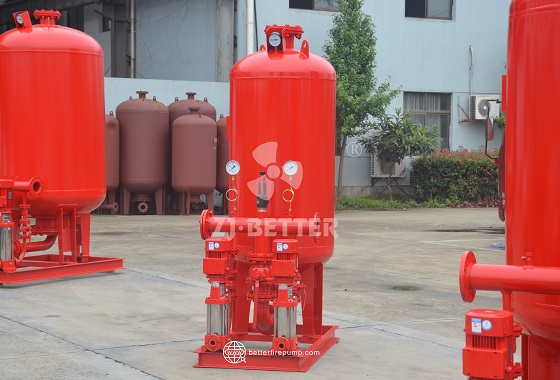
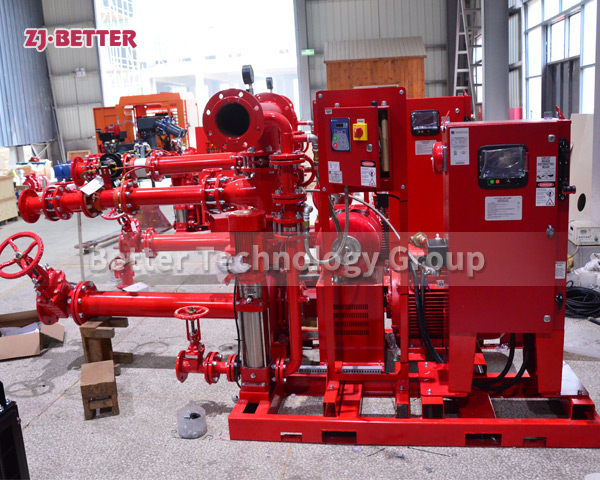
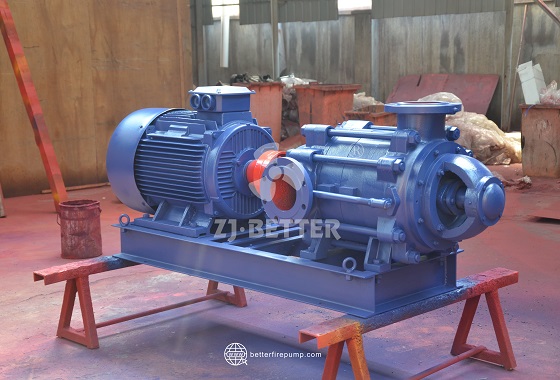
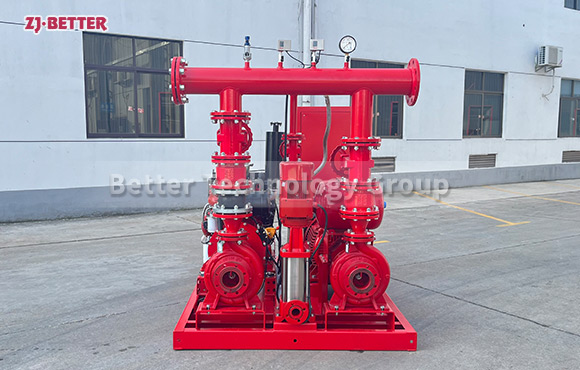
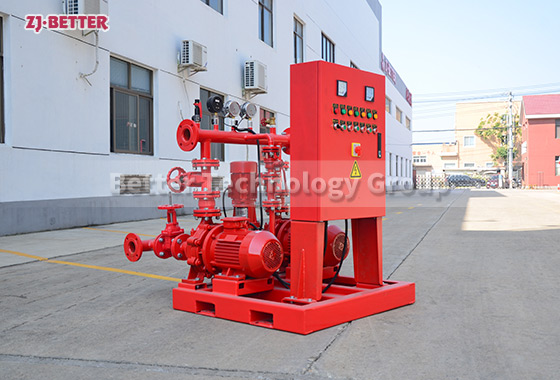
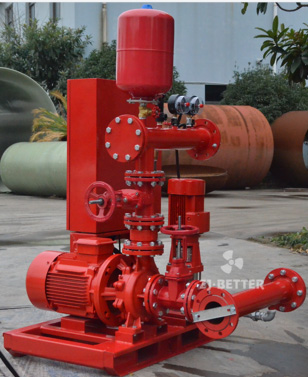
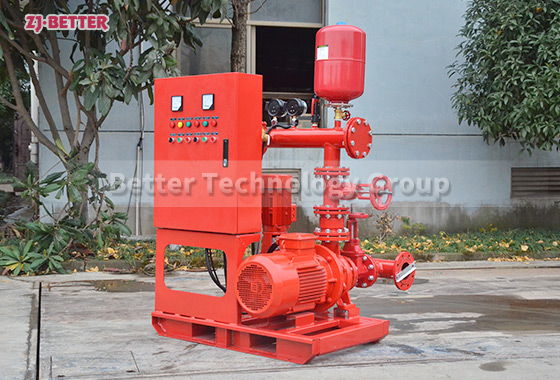
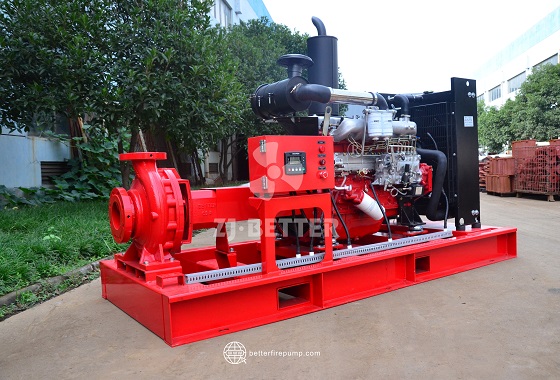
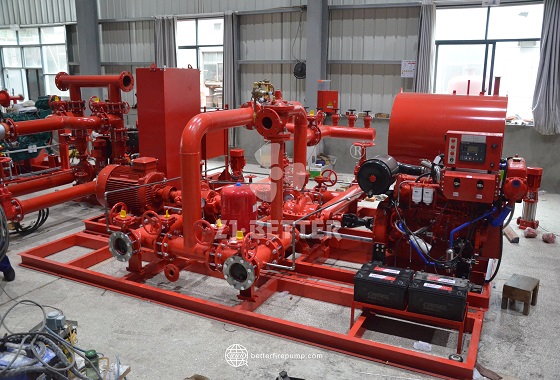
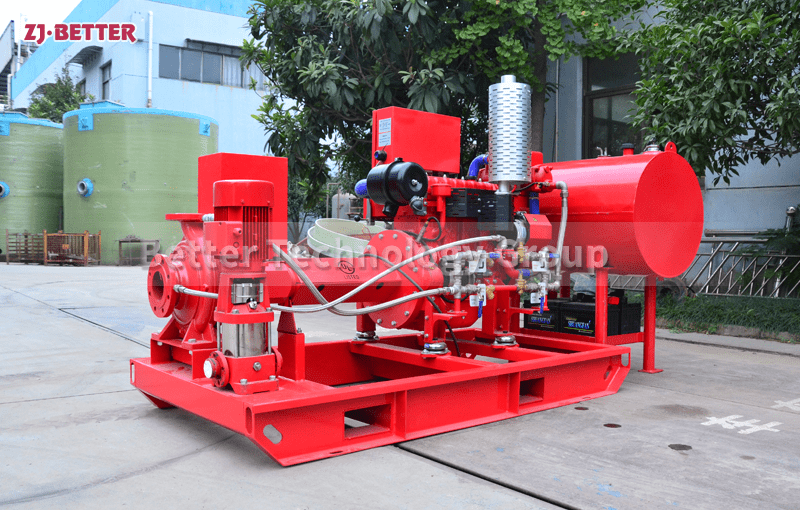
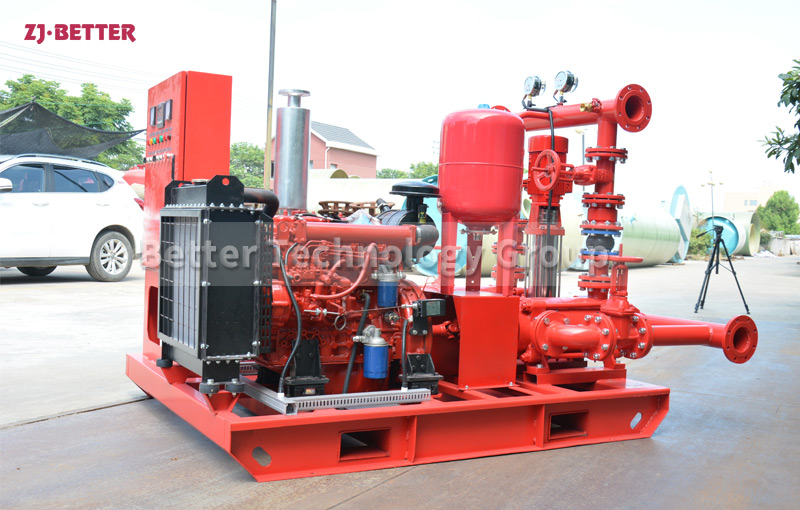
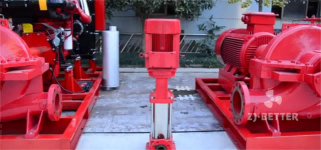
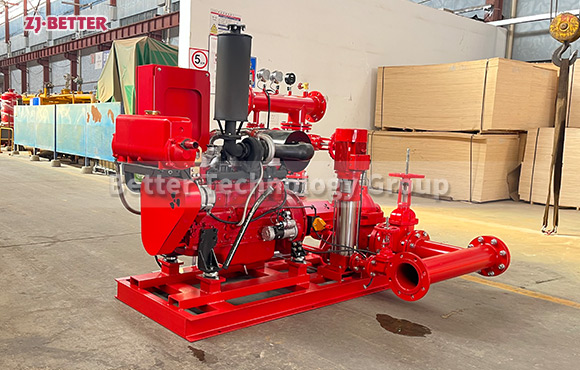
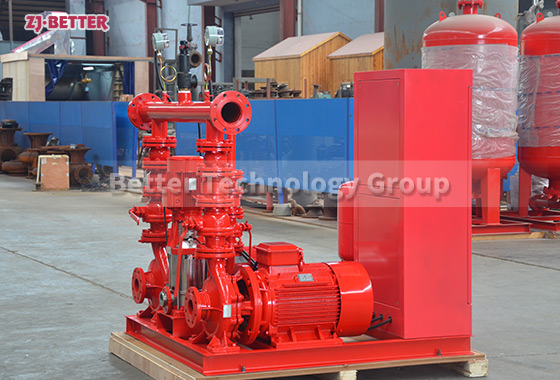
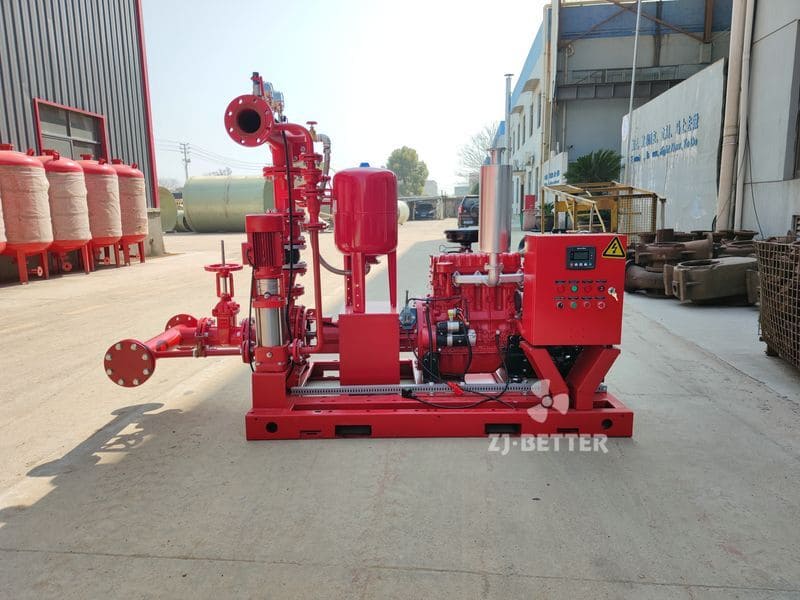
Horizontal and vertical fire pumps differ in their physical orientation, and the choice between them depends on the available space and installation requirements. Horizontal fire pumps are positioned parallel to the ground and are commonly used in facilities with ample floor space. Vertical fire pumps, on the other hand, are designed to be installed in a space-saving, vertical orientation. This makes them suitable for facilities with limited floor space, such as high-rise buildings.

Vertical pumps are often used in skyscrapers, where space is at a premium. Both types of pumps are equally effective, and the choice between them is typically influenced by the layout and structural constraints of the building.
Rated 4.5/5 based on 282 customer reviews
Share:
Content

Horizontal and vertical fire pumps differ in their physical orientation, and the choice between them depends on the available space and installation requirements. Horizontal fire pumps are positioned parallel to the ground and are commonly used in facilities with ample floor space. Vertical fire pumps, on the other hand, are designed to be installed in a space-saving, vertical orientation. This makes them suitable for facilities with limited floor space, such as high-rise buildings.

Vertical pumps are often used in skyscrapers, where space is at a premium. Both types of pumps are equally effective, and the choice between them is typically influenced by the layout and structural constraints of the building.
Inquiry


    More Fire Pump Set

    Installing fire pumps requires careful planning and adherence to specific precautions to ensure proper functionality and compliance with safety standards. Here are some important precautions to consider during the installation process:

    Compliance with Codes and Standards: Familiarize yourself with local fire codes, regulations, and industry standards applicable to fire pump installations. Ensure that the installation meets the requirements of organizations such as the National Fire Protection Association (NFPA) and local authorities having jurisdiction (AHJs).

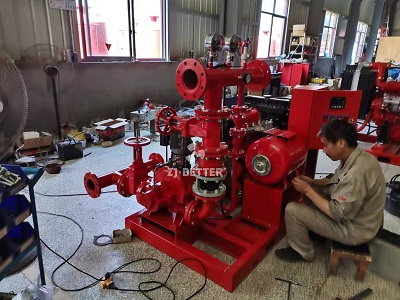
    Professional Installation: Fire pump installations should be carried out by qualified professionals experienced in fire protection systems. Engage licensed contractors or fire protection engineers who specialize in fire pump installations. They possess the necessary knowledge and expertise to ensure a correct and safe installation.

    Proper Location: Choose an appropriate location for the fire pump installation. Consider factors such as accessibility, proximity to water sources, electrical connections, and suitable drainage. The location should allow for easy maintenance and serviceability. Follow the manufacturer’s guidelines regarding clearance requirements and proximity to other equipment.

    By following these precautions, you can ensure a safe and effective installation of a fire pump system. Proper installation is critical for the system’s performance, compliance with regulations, and the overall safety of the facility and its occupants. Consult with fire protection professionals and refer to relevant codes and standards throughout the installation process.