Home » Fire Pump Set » Strictly follow the requirements to carry out the fire pump test
Strictly follow the requirements to carry out the fire pump test

Strictly follow the requirements to carry out the fire pump test

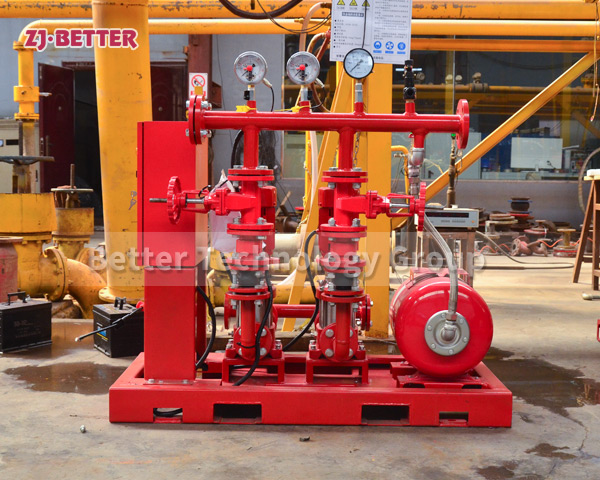
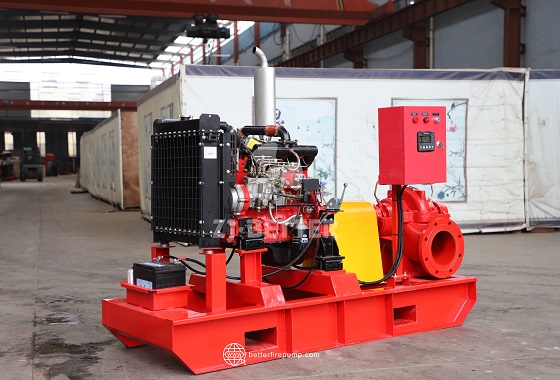
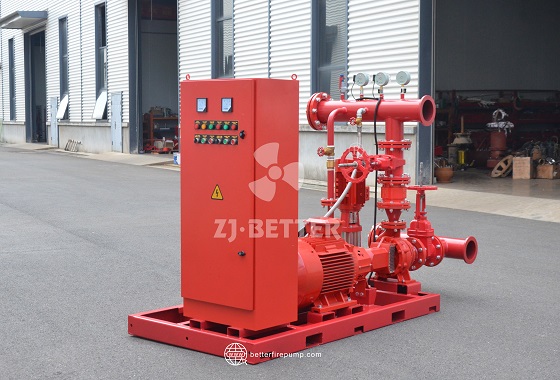
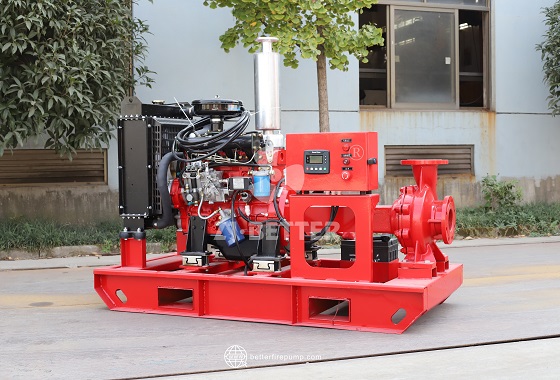
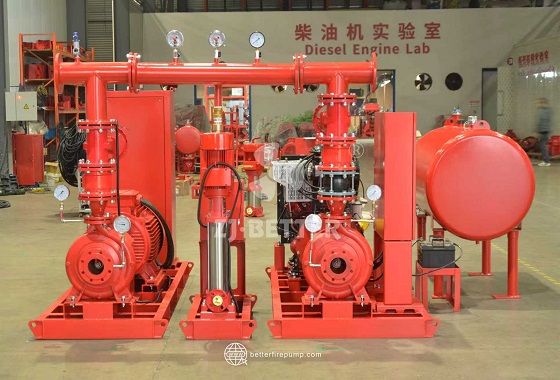
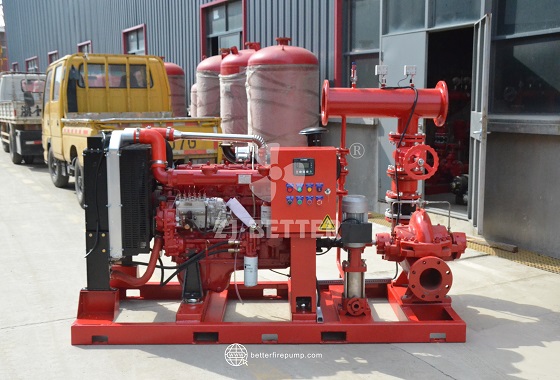
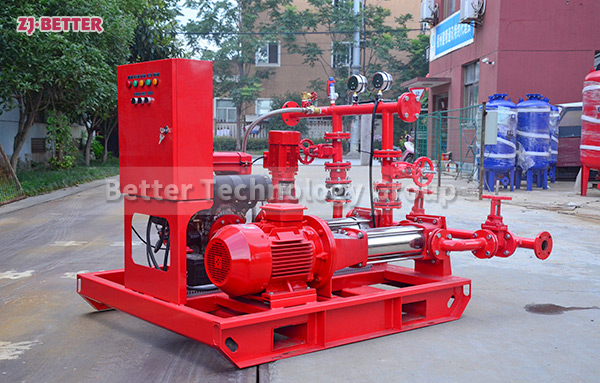
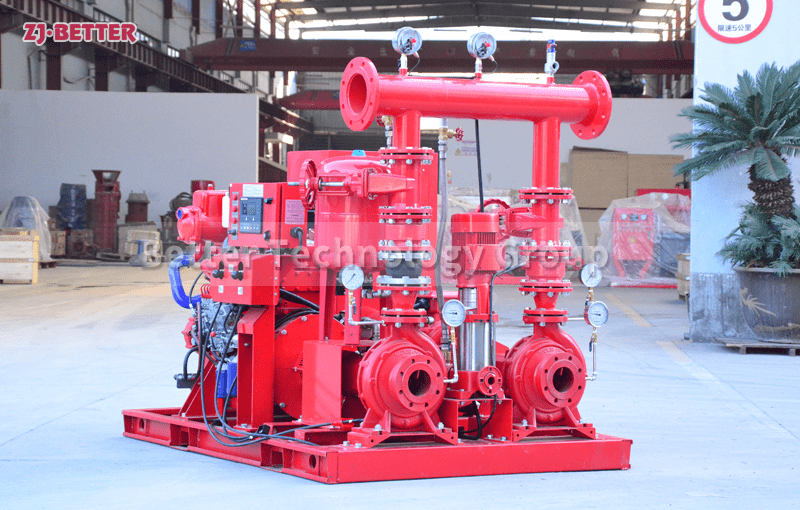
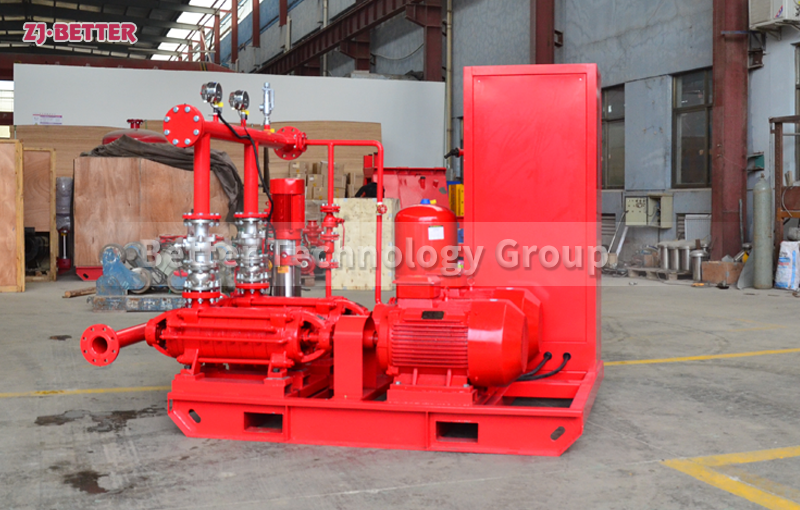
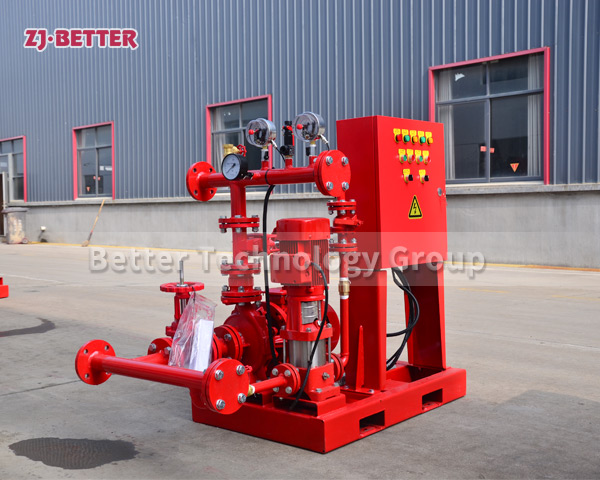
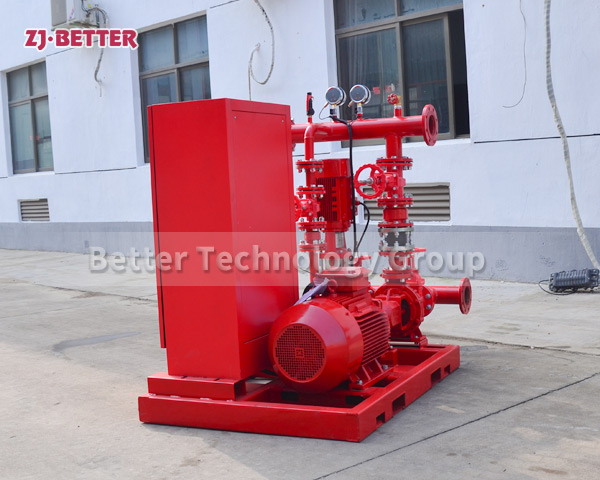
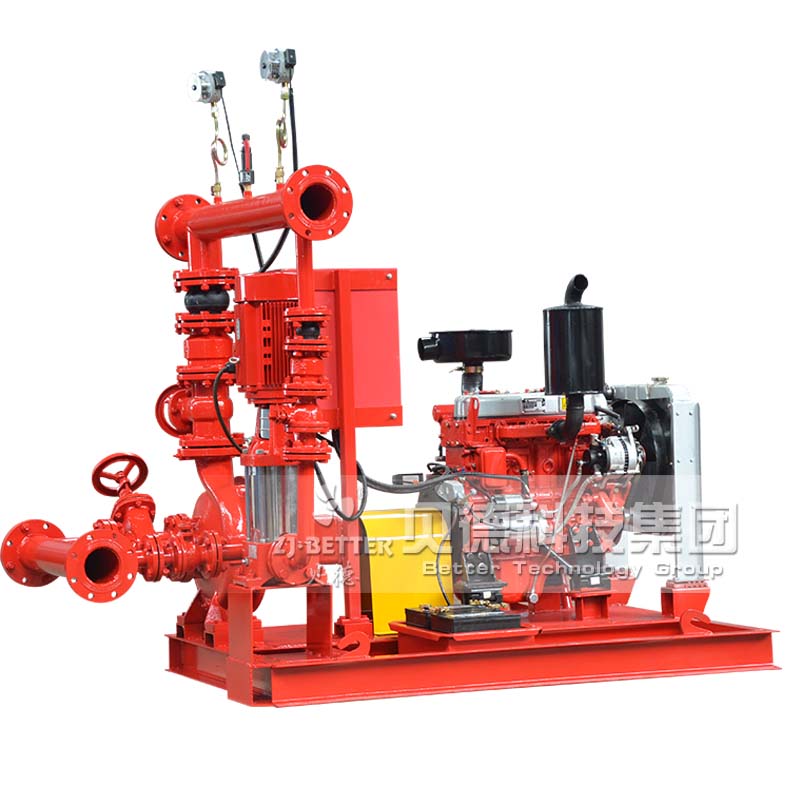
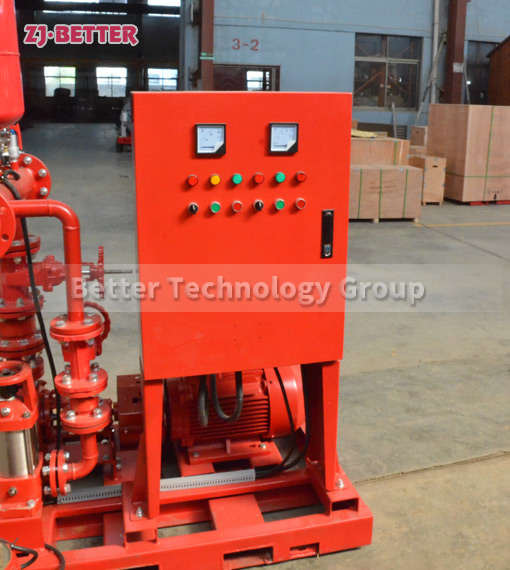
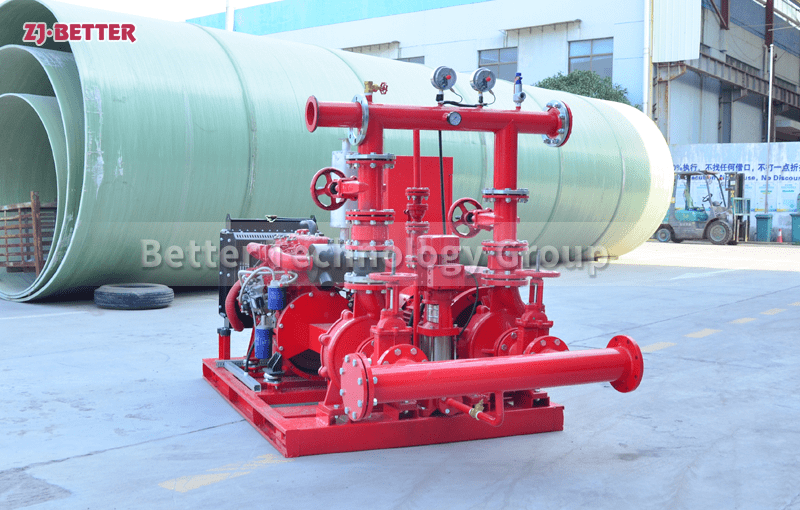
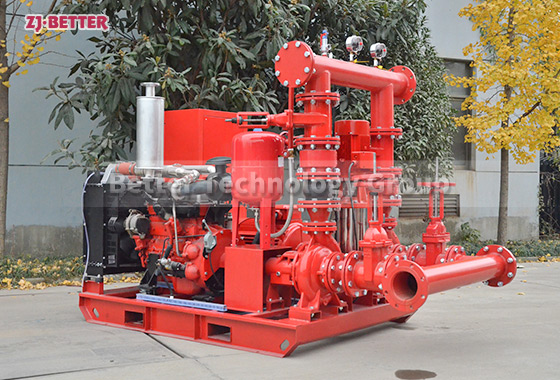
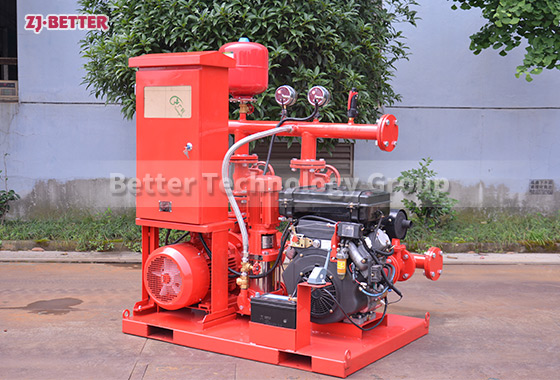
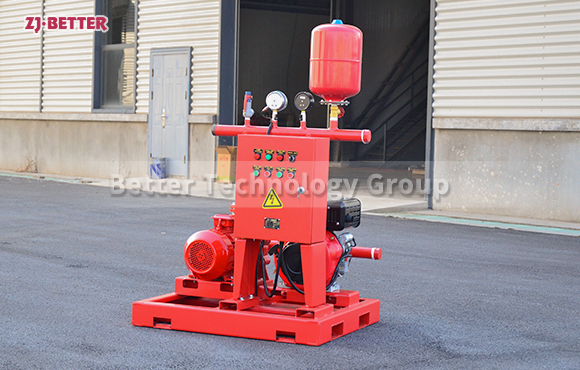
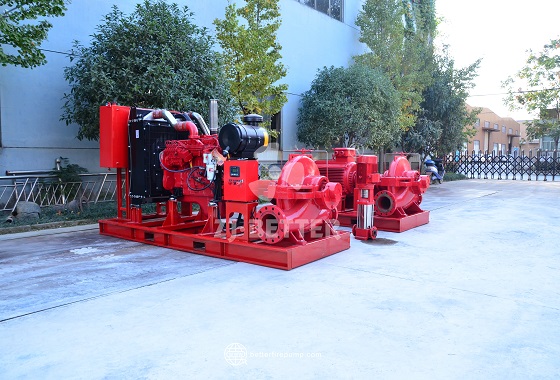
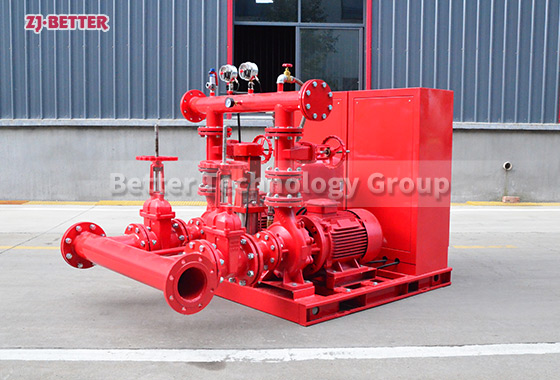
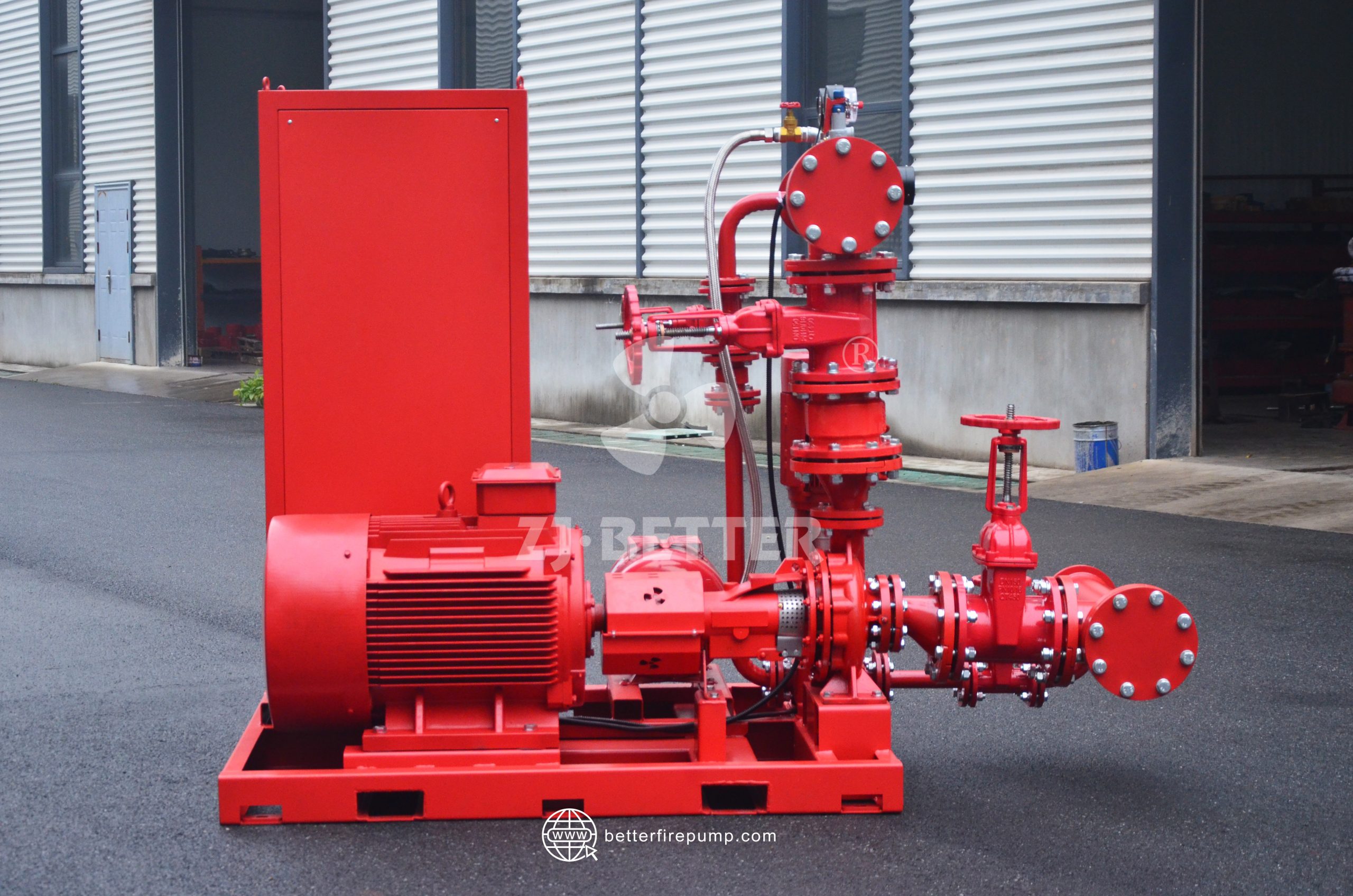
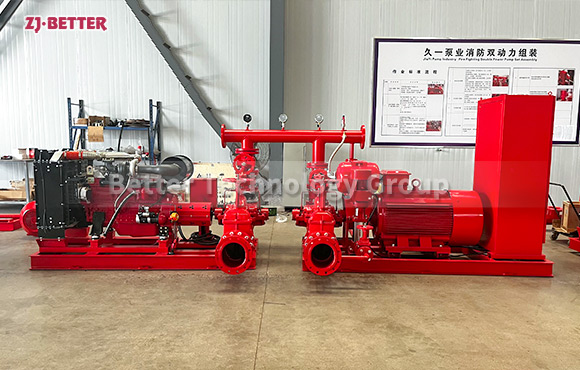
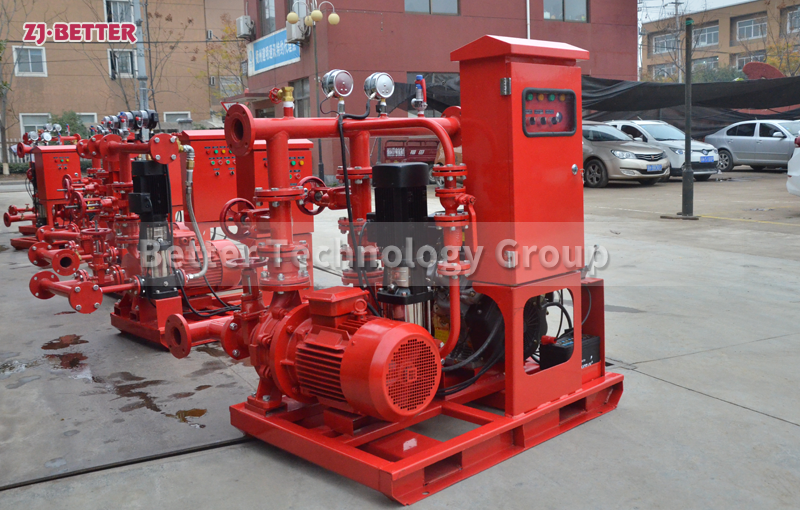
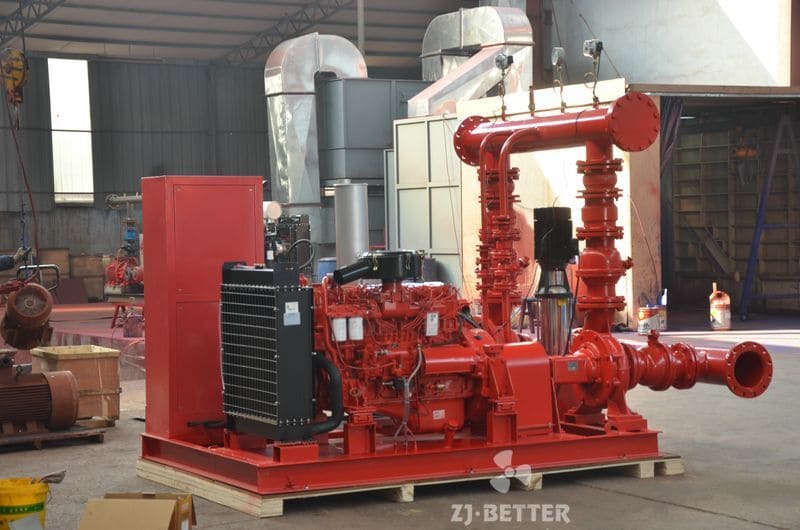
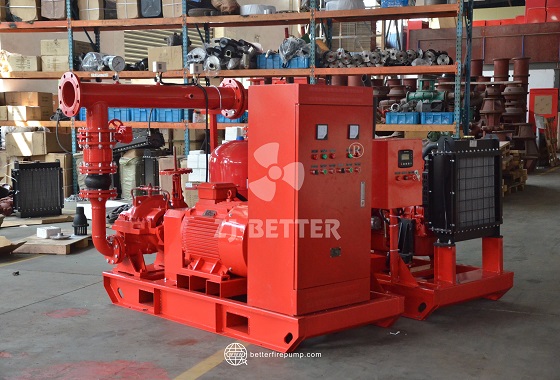
EDJ fire fighting package set is composed of diesel fire pump, electric pump, jockey pump.
Electric pump can choose single-stage pump, horizontal split case pump, end suction pump, multistage centrifugal pump, vertical turbine pump which are made of cast iron or stainless steel. Regarding to the impeller, we also could choose the bronze impeller.
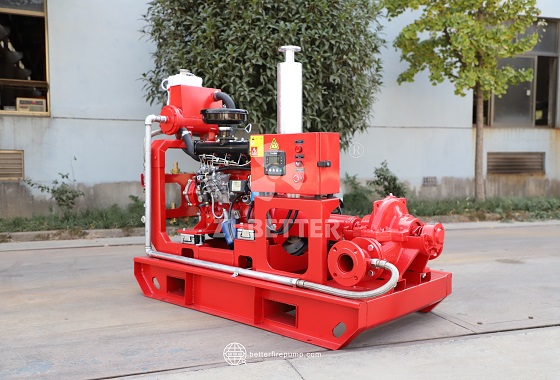
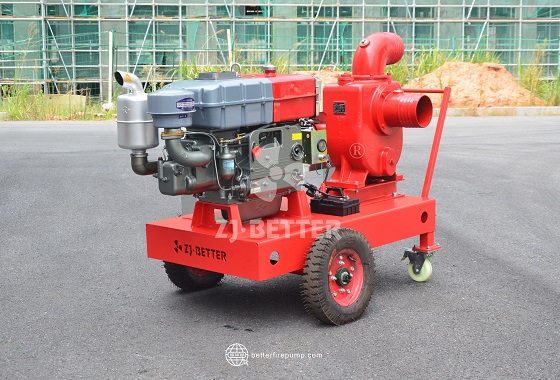
Diesel fire pump, the flow is same as the electric pump. The diesel engine is combined by high elastic coupling or universal joint connection. The diesel fire set also includes fuel tank, water tank, fan, control panel and other components.
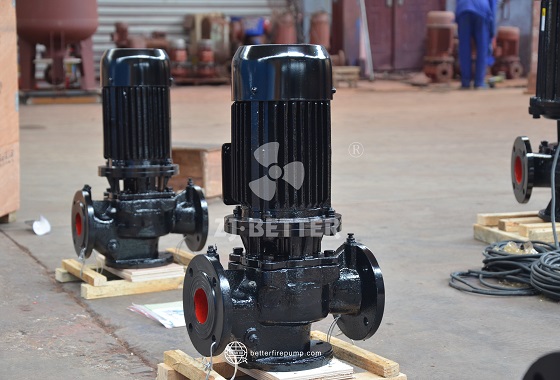
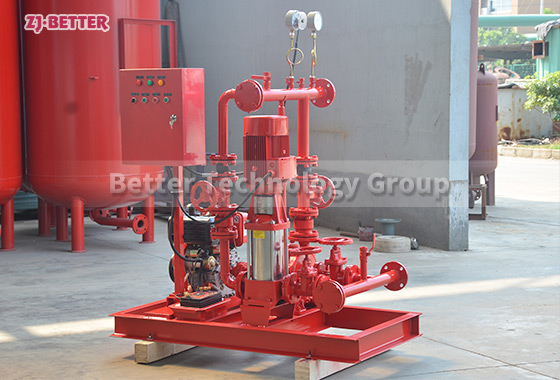
Jockey pump which is horizontal or vertical. Normally, it has the characteristics of small flow and higher head (more10-15m head than the electric pump and diesel pump).

Rated 4.9/5 based on 275 customer reviews
Share:
Content

For pump testing, there are different standards for different types of pumps.
For Centrifugal Pumps, Mixed Flow Pumps, Axial Flow Pumps and Vortex Pumps, the Standard is GB/T3216《Test methods for centrifugal pumps, mixed flow pumps, axial flow pumps and vortex pumps》
For fire pumps there are two Standard, for NON-UL fire pump, we use GB6245-2006 《FIRE PUMP》, this is also used for domestic CCCF certificate
For UL listed fire pump, the testing Standard is UL448, which is only used for UL LISTED FIRE PUMP
The submersible pump standard is GB/T12785《Submersible electric pump test method》
Inquiry


    More Fire Pump Set

    When installing a fire pump, it is essential to adhere to specific requirements to ensure its proper functionality and compliance with safety standards. Here are some important installation requirements to consider:

    Codes and Standards: Familiarize yourself with local fire codes, regulations, and industry standards applicable to fire pump installations.

    Location and Accessibility: Choose an appropriate location for the fire pump that allows for easy access, maintenance, and serviceability.

    Foundation and Mounting: Ensure that the fire pump is installed on a stable and level foundation capable of supporting its weight and minimizing vibration.

    Electrical Connections: Electrical connections should be performed by licensed electricians following electrical codes and regulations.

    Water Supply: Ensure an adequate and reliable water supply for the fire pump.

    System Piping and Valves: The piping system should be installed following the pump manufacturer’s specifications and relevant standards.

    Controls and Monitoring: Install the pump’s control panel and associated instrumentation according to manufacturer guidelines.

    Testing and Commissioning: Thoroughly test and commission the fire pump system before placing it into service.

    Documentation and Training: Maintain comprehensive documentation of the installation, including drawings, equipment specifications, test reports, and maintenance records.

    It is crucial to consult with fire protection professionals, including fire engineers and pump manufacturers, to ensure compliance with all relevant requirements during the installation process. Proper installation is essential for the reliable operation of the fire pump and the safety of the facility and its occupants.