Home » Fire Pump Set » The Importance of Fire Pumps in Fire Protection

The Importance of Fire Pumps in Fire Protection

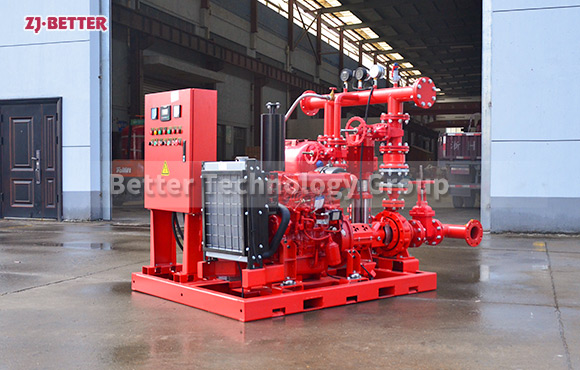
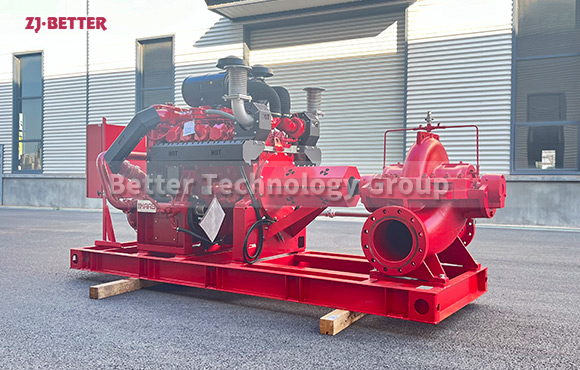
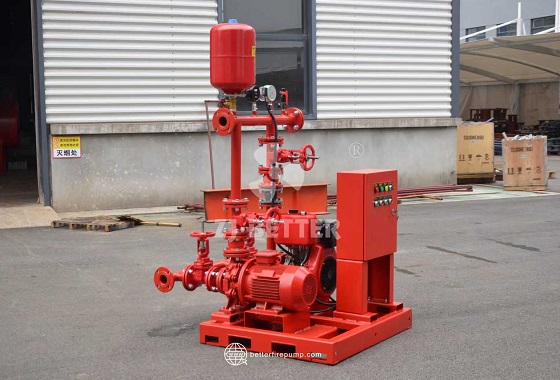
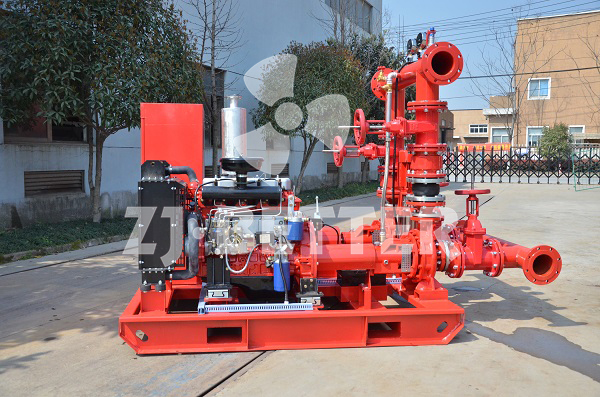
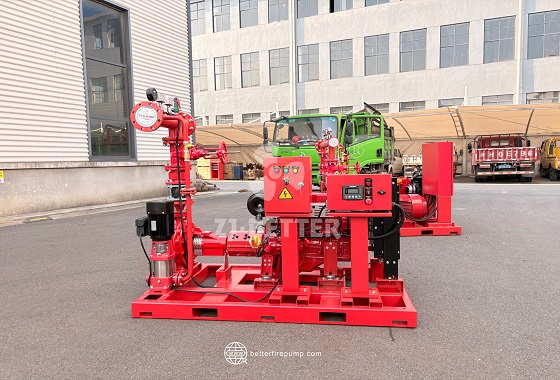
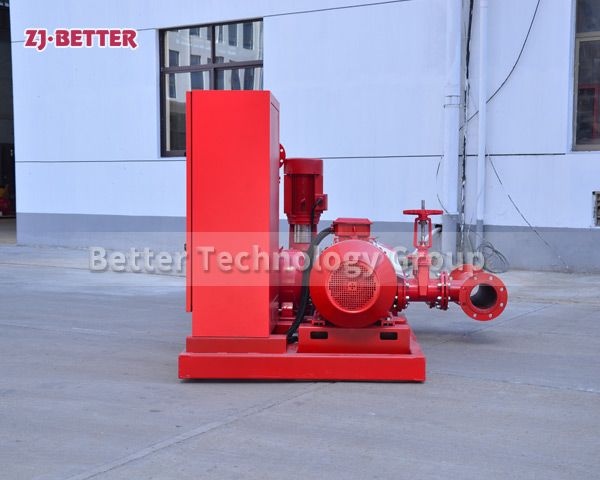
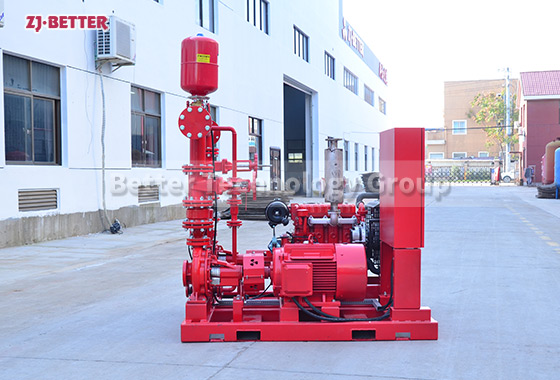
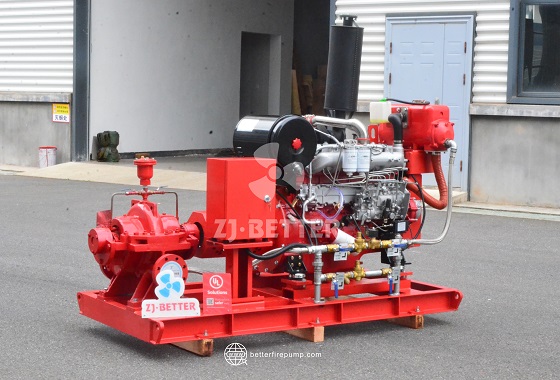
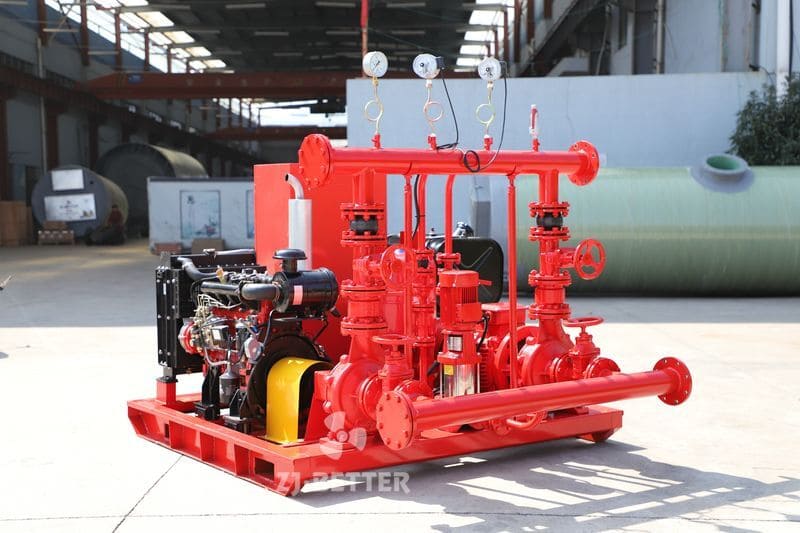
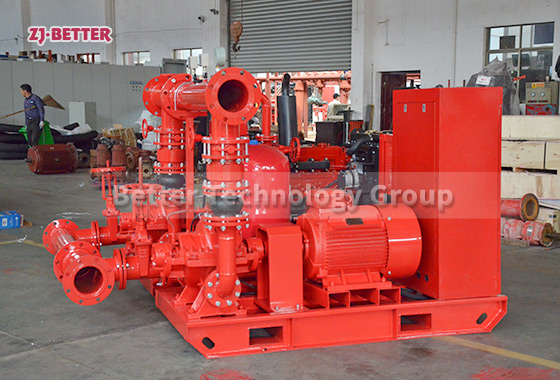
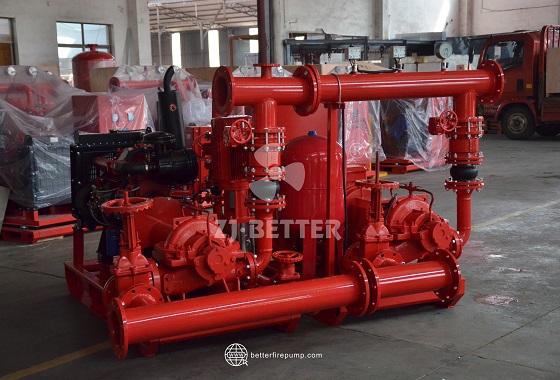
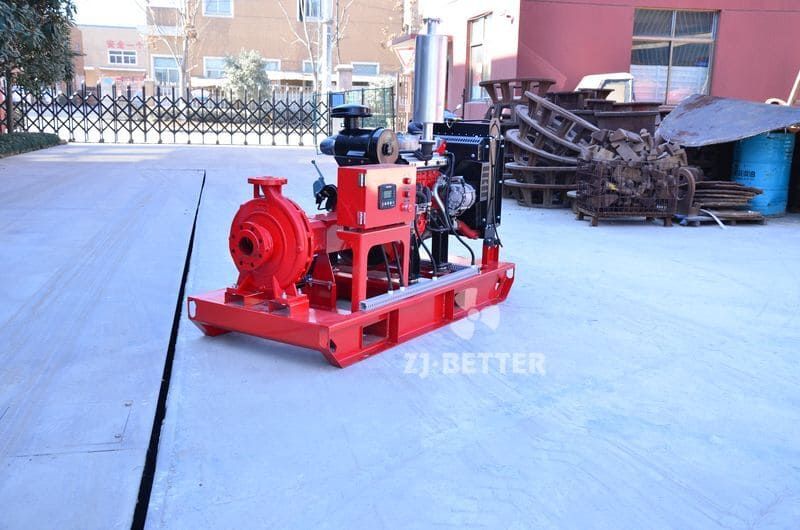
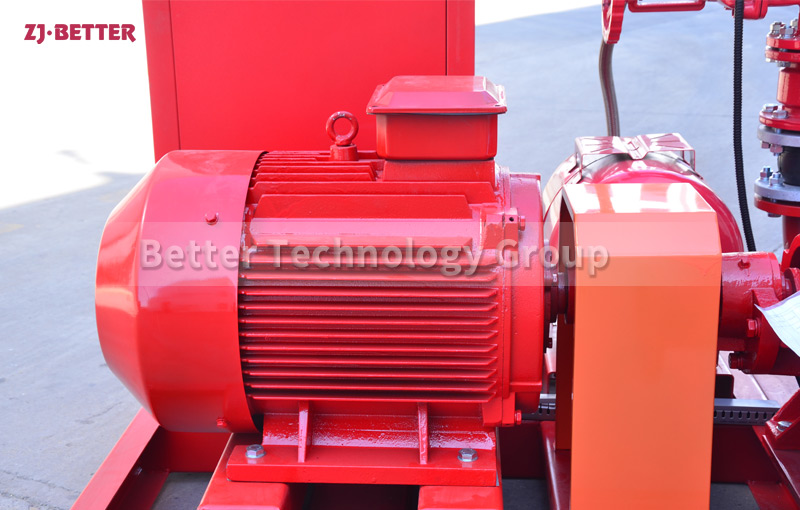
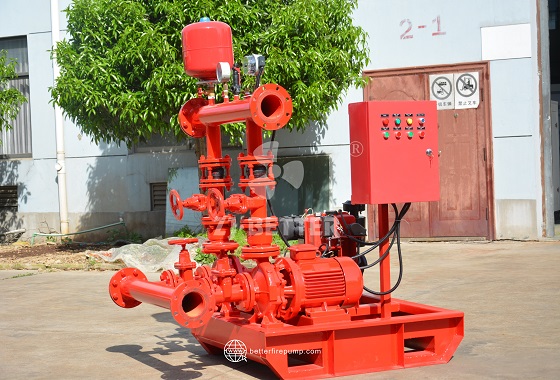
Fire pumps play a pivotal role in fire protection systems by ensuring a reliable and pressurized water supply for firefighting efforts. When a fire breaks out, immediate access to water at a sufficient flow and pressure is critical to containing and extinguishing the flames. In many cases, the water supply provided by municipal water mains may not be adequate, necessitating the use of fire pumps to boost water delivery to firefighting equipment.

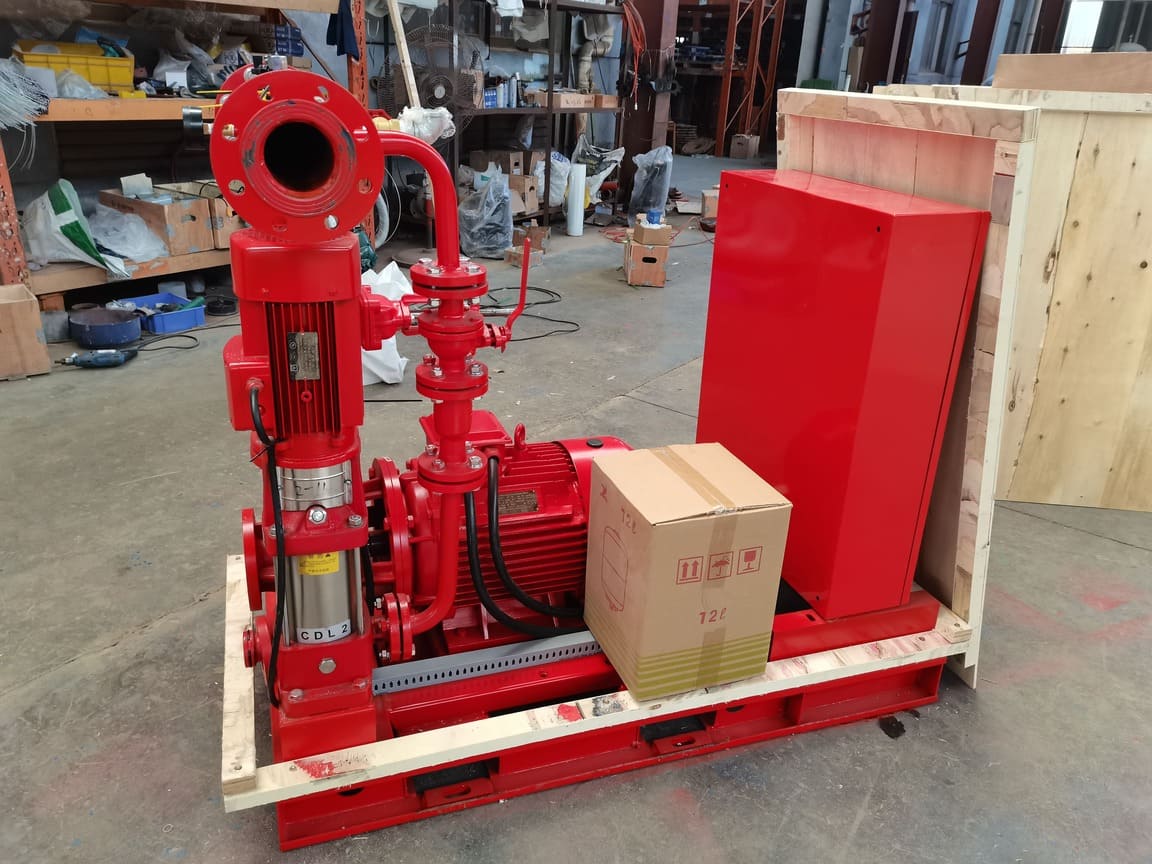
Fire pumps are especially crucial in large industrial or commercial buildings, as they ensure that every corner of the facility has access to water for firefighting. Without fire pumps, there might be inadequate pressure or flow, resulting in a delayed response, potentially leading to greater fire damage.
Rated 5/5 based on 290 customer reviews
Share:
Content
Fire pumps play a pivotal role in fire protection systems by ensuring a reliable and pressurized water supply for firefighting efforts. When a fire breaks out, immediate access to water at a sufficient flow and pressure is critical to containing and extinguishing the flames. In many cases, the water supply provided by municipal water mains may not be adequate, necessitating the use of fire pumps to boost water delivery to firefighting equipment.
Fire pumps are especially crucial in large industrial or commercial buildings, as they ensure that every corner of the facility has access to water for firefighting. Without fire pumps, there might be inadequate pressure or flow, resulting in a delayed response, potentially leading to greater fire damage.
Inquiry


    More Fire Pump Set

    First, what’s a water pump? It’s a device used to transport liquid, pressurize the liquid, and make the liquid from the first liquid position to the high liquid position. The first water pump constructed by the Chinese is called” water windmill”. latterly, around 300 BC, the emergence of the” Archimedes screw pump” is more analogous to ultramodern pumps. In addition, the following introductory knowledge points are what you must understand.
    1. Centrifugal pump

    Centrifugal pump is the most common type of pump. In simple terms, the working principle of centrifugal pump is to rotate the impeller to drive the liquid under the action of centrifugal force. The liquid leaves the impeller and enters the volute. As the inflow passage of the volute gradationally expands, the fluid haste slows down, and the pressure rises continuously, and eventually it’s discharged through the conduit.
    2. Impeller
    The impeller is one of the main factors in the water pump, and it’s the core element that transmits mechanical energy to the liquid. The impeller is substantially divided into three types open type,semi-open type and closed type. The material conditions for the impeller are high, wear resistance is needed, and the manufacturing process is good.

    3. Cavitation

    Cavitation is the conformation of numerous bitsy recesses when the liquid connections the liquid under high- speed inflow and pressure, and gradationally expands into grottoes when serious, and cavitation frequently occurs in the impeller and pump covering.

    1. Ability to provide a steady and reliable flow of water: Fire pumps are designed to provide a steady and reliable flow of water to the fire suppression system. This ensures that the fire is extinguished quickly and without any damage to the property.

    2. High-Pressure Output: Fire pumps can provide a high-pressure output to ensure that the water is able to reach further distances and at higher pressures than would be achievable by a standard water system. This is important in controlling and extinguishing fires, as it allows the water to reach all areas of the fire.

    3. Emergency Operation: Fire pumps are designed to be able to operate in the event of a power outage. This ensures that the fire suppression system can still be operational in the event of a power failure. This is especially important in commercial buildings and other areas where power outages can occur.

    4. Automatic Activation: Fire pumps are designed to automatically activate in the event of a fire. This ensures that the fire suppression system can be activated quickly and without any manual intervention. This is especially important in the event of a large fire, as it ensures that the system is already in operation before the fire department arrives.

    5. Low Maintenance: Fire pumps are designed to be low maintenance, requiring only regular inspections and maintenance to ensure that they are working correctly. This ensures that the fire suppression system is always ready for use and that it can be relied upon in the event of a fire.